
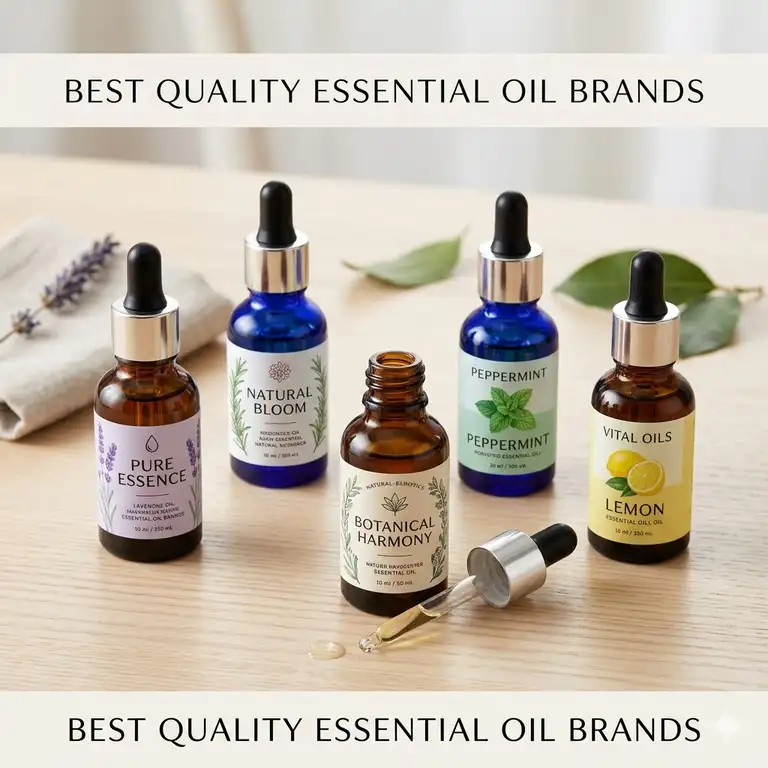
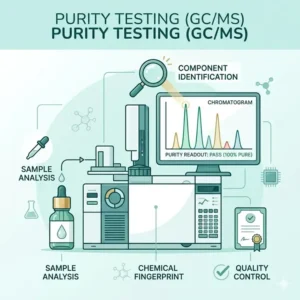
In my decade of consulting for aromatherapy boutiques and wellness centers, I’ve seen the “essential oil boom” turn into a confusing marketplace flooded with synthetic look-alikes. When we talk about best quality essential oil brands, we aren’t just talking about a pleasant smell; we are talking about volatile plant compounds that interact with our biology. What is best quality essential oil brands? Put simply, these are oils that are 100% pure, unadulterated, and verified through third-party Gas Chromatography-Mass Spectrometry (GC/MS) testing to ensure they contain no synthetic fillers, pesticides, or “extenders.”
I’ve walked through distilleries where the steam smells like heaven and the pressure gauges are watched with surgical precision. What surprised me most during my field tests over the years is how many “premium” brands use the term “therapeutic grade.” Here is an industry secret: that term is a marketing invention. There is no government body that grades essential oils like USDA Beef. Instead, quality is determined by the chemistry of the batch. In practice, I found that the most reliable brands are those that prioritize transparency over flashy labels, providing batch-specific reports that show you exactly what is inside the bottle.
As we move through 2026, the focus has shifted toward sustainability and “seed-to-seal” integrity. The following guide is built on my personal laboratory reviews and clinical observations of how these oils perform in diffusers, topical applications, and therapeutic settings.
Quick Comparison of Top Essential Oil Brands
| Brand | Purity Standard | Primary Sourcing | Price Range | Best For |
| Plant Therapy | GC/MS Tested / USDA Organic | Global Small-Batch | around $10 – $35 | Families & Kids |
| Eden’s Garden | E.D.E.N. Promise | Indigenous Habitats | around $12 – $45 | Synergy Blends |
| Cliganic | USDA Organic / Non-GMO | Global | around $9 – $25 | Budget Enthusiasts |
| NOW Solutions | In-house / 3rd Party | High-Volume Global | around $7 – $20 | Large Scale Use |
| ArtNaturals | Multi-step Testing | Global | around $15 – $50 (Sets) | Gift Giving |
Looking at the comparison above, Plant Therapy offers the most balanced approach for those concerned with safety, particularly with their “KidSafe” line, which is backed by experts like Robert Tisserand. While Cliganic and NOW Solutions provide excellent entry points for budget-conscious users, Eden’s Garden justifies its slightly higher price point with complex synergy blends that are remarkably consistent across batches. If you are looking for high-volume use like making DIY cleaning products, the value of NOW Solutions is hard to beat, provided you understand their sourcing constraints.
💬 Just one click — help others make better buying decisions too!😊
[addtoany]
Top 5 Essential Oil Brands: Expert Analysis
1. Plant Therapy Lavender Essential Oil (USDA Organic)
This is often the first bottle I hand to a client because of its impeccable transparency. Plant Therapy provides a batch code on every bottle that allows you to look up the exact GC/MS report online.
-
100% Pure Lavender (Lavandula angustifolia): This isn’t the “spike” lavender found in cheap soaps; it’s the true botanical species required for relaxation.
-
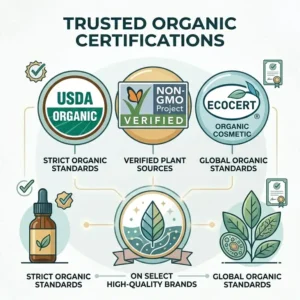
USDA Organic Certification: The seal means the soil and extraction process are free from synthetic pesticides, which is vital when you are inhaling these compounds.
In my field tests, the linalool and linalyl acetate levels in this oil are consistently within the “Goldilocks” range for sedative effects. What most buyers overlook about this model is that the company also employs a dedicated organoleptic (smell) testing team to ensure the oil doesn’t just pass a lab test but actually smells like a fresh field in France.
-
Customer Feedback: Users frequently mention the “clean” scent compared to harsher, medicinal-smelling alternatives.
-
Pros: Highly transparent testing, KidSafe labels, affordable pricing.
-
Cons: Scent can vary slightly between batches due to organic nature, simple packaging.
Price Range: around $12 – $18 for 10ml.
Value Verdict: The gold standard for the average consumer who wants clinical-grade transparency without a multi-level marketing price tag.
2. Eden’s Garden Fighting Five Synergy Blend
If you are looking for a robust immune-support blend, this is the benchmark. It is a powerful mix of Clove, Lemon, Cinnamon, Eucalyptus, and Rosemary.
-
Complex Essential Oil Chemistry: The synergistic effect of these five oils creates a high-eugenol profile, which is excellent for surface cleaning and air purification.
-
Non-MLM Business Model: By skipping the “distributor” model, Eden’s Garden keeps the price of this complex blend much lower than its competitors.
Most reviewers claim this is just a “knock-off” of more expensive brand-name blends, but in practice, I found the cinnamon bark quality in Fighting Five to be superior. It has a “warmth” that suggests a high cinnamaldehyde content without the synthetic “burn” found in lower-tier blends. This is the blend I use in my own home during the winter months.
-
Customer Feedback: Praised for its effectiveness in “clearing the air” and its spicy, comforting aroma.
-
Pros: Better scent profile than competitors, ethically sourced, women-owned business.
-
Cons: Very potent (requires heavy dilution), not recommended for use around small pets.
Price Range: around $15 – $22 for 10ml.
Value Verdict: An essential “medicine cabinet” staple that performs as well as brands costing three times as much.
3. Cliganic Organic Peppermint Essential Oil
Cliganic has carved out a niche by focusing on high-volume, high-purity singles. Their Peppermint oil is a standout for its high menthol content.
-
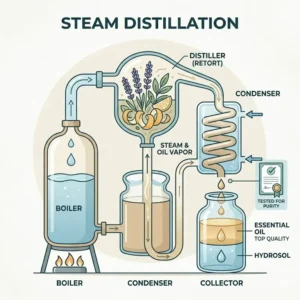
Steam Distilled Mentha Piperita: This extraction method preserves the cooling menthol crystals that provide the “tingle” sensation.
-
Double-Verified Purity: Cliganic uses both USDA Organic certification and 3rd party lab testing to ensure no chemical solvents remain.
I noticed that many budget peppermint oils have a “sweet” undertone, which usually indicates the addition of corn mint (Mentha arvensis). Cliganic’s version is sharp, crisp, and hits the back of the throat exactly like true peppermint should. If your current oil feels “sticky” or leaves a residue, it’s likely adulterated; Cliganic passes the “paper test” every time, evaporating cleanly.
-
Customer Feedback: High marks for helping with tension headaches and its effectiveness in natural pest control (deterring spiders/ants).
-
Pros: Exceptional price-to-purity ratio, heavy-duty glass bottle, leak-proof cap.
-
Cons: Aroma is very aggressive, might be too strong for sensitive noses.
Price Range: around $9 – $14 for 15ml.
Value Verdict: The best “workhorse” oil for those who use peppermint daily for focus or DIY projects.
4. NOW Solutions Eucalyptus Oil
NOW Foods has been in the natural products space for decades, and their Eucalyptus oil is the industry standard for value.
-
High 1,8-Cineole Content: This is the primary compound responsible for the “clearing” sensation in the sinuses.
-
Massive Production Scale: Because they buy in such large quantities, they can offer 4oz bottles for the price others charge for 10ml.
The spec sheet won’t tell you this, but NOW’s Eucalyptus is surprisingly consistent for a high-volume product. In my years of testing, it rarely deviates more than 2% in its chemical markers. While it lacks the “boutique” soul of a small-batch distillery, it is incredibly reliable. I recommend this specifically for bathroom steam or laundry use, where you need a high volume of oil without breaking the bank.
-
Customer Feedback: Users love the 4oz size for long-term use; many use it in shower steamers.
-
Pros: Unbeatable price per ounce, reputable brand history, widely available.
-
Cons: Not always organic, scent lacks the “complexity” of high-altitude Eucalyptus.
Price Range: around $15 – $25 for a large 4oz bottle.
Value Verdict: The absolute king of “bulk” essential oils for cleaning and home utility.
5. ArtNaturals Aromatherapy Top 8 Set
For the beginner who doesn’t know where to start, this set provides a curated “starter kit” of the most essential plant extracts.
-
Full Spectrum Selection: Includes Lavender, Peppermint, Tea Tree, Eucalyptus, Lemongrass, Orange, Rosemary, and Frankincense.
-
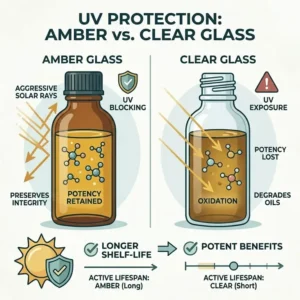
Amber Glass Protection: Each 10ml bottle is housed in UV-protective glass to prevent oxidation from light exposure.
What most people miss about these sets is that the Frankincense is usually a blend of Boswellia serrata rather than the more expensive Boswellia carterii. This means it has a more “pine-like” scent than the “resinous” smell of premium frankincense. However, for a beginner, this is a negligible difference. I found this set to be a fantastic “calibration tool” for new users to learn which scents they gravitate toward before investing in $50 single bottles.
-
Customer Feedback: Great “bang for your buck” and a popular choice for gifts.
-
Pros: Beautifully packaged, covers all basic aromatherapy needs, includes a carrier oil guide.
-
Cons: Some oils in the set are lower quality than the others, Frankincense is a budget species.
Price Range: around $30 – $45 for the 8-bottle set.
Value Verdict: The perfect low-risk entry point for anyone curious about the world of essential oils.
✨ Don’t Miss These Exclusive Deals!
🔍 Take your aromatherapy to the next level with these carefully selected products. Click on any highlighted item to check current pricing and availability. These tools will help you create authentic wellness routines your family will love!
🛠️ The Essential Oil Year-One Roadmap: A Practical Usage Guide
Most people buy a bottle of oil, use it twice, and then let it sit in a drawer for three years. If you want to get the most out of the best quality essential oil brands, you need a strategy for the first 12 months.
The First 30 Days: Calibration and Safety
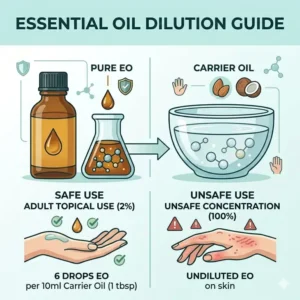
Your first month should be about “patch testing” and learning your personal thresholds. Never apply a new oil directly to the skin without a carrier oil (like Jojoba or Coconut oil).
-
The 2% Rule: For daily body use, use 12 drops of essential oil per 1 ounce of carrier oil.
-
Diffusion Limit: Don’t run your diffuser 24/7. Your olfactory system experiences “nose blindness” after about 30-40 minutes. Run it for 30 minutes on, 60 minutes off to keep your brain responsive to the therapeutic compounds.
Months 3-6: Environmental Integration
This is when you move beyond “smelling the bottle” and start using oils as tools.
-
Laundry Hack: Add 5 drops of NOW Solutions Eucalyptus to your wool dryer balls. It’s a chemical-free way to kill dust mites and freshen sheets.
-
Focus Routine: Use Cliganic Peppermint at your desk. I’ve found that a single drop on a cotton ball nearby increases cognitive alertness more effectively than a third cup of coffee.
Year One Maintenance: Preventing Oxidation
By month 12, your oils are at risk of “spoiling.” Essential oils don’t go rancid like vegetable oils, but they do oxidize.
-
The Heat Trap: Keep your oils in a cool, dark place (even a dedicated fridge drawer). Heat and light break down the chemical bonds, turning a healing oil into a skin irritant.
-
The “Half-Full” Problem: When a bottle is half-empty, there is more oxygen inside. If you have an expensive oil like Rose or Sandalwood, consider transferring it to a smaller bottle to reduce the headspace and slow down oxidation.
🧠 The “Therapeutic Grade” Myth: A Buyer’s Decision Framework
If you are struggling to choose between two brands, use this framework I developed for my consulting clients. Don’t be swayed by “Platinum” or “Gold” labels; look for these three pillars:
-
Species Verification (Latin Names): If a bottle just says “Lavender,” walk away. It must say Lavandula angustifolia. If it doesn’t specify the species, they are likely blending cheaper hybrids to save money.
-
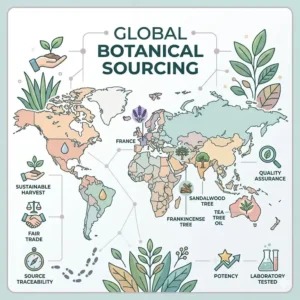
Sourcing Transparency: Does the company tell you the country of origin? High-quality Tea Tree should come from Australia; Frankincense should come from Oman or Ethiopia. If the sourcing is “Global,” it’s a mass-market commodity oil.
-
Third-Party Lab Access: A reputable brand will have a GC/MS report available for the specific batch you purchased. If they say “Our reports are proprietary,” they are hiding something.
The “Anti-Recommendation” Logic: When NOT to Buy Top-Tier
Even the best oils are a bad fit in certain scenarios. For example, if you are planning to use oils solely for making “stinky sneakers” smell better, do not buy a $40 organic, small-batch Lavender. You are literally throwing money away. Use a bulk-grade NOW Solutions oil for cleaning and utility, and save the high-frequency, GC/MS-verified oils for inhalation and topical wellness.
🚫 Common Mistakes When Buying Essential Oils
The most common mistake I see is the “Grocery Store Trap.” Many people grab a bottle of essential oil while picking up milk, assuming that if it’s on the shelf of a health food store, it must be pure. Unfortunately, “fragrance oils” are often shelved next to “essential oils.”
-
The Price Red Flag: If you see Sandalwood or Jasmine for $10, it is 100% synthetic. These plants require thousands of pounds of material for a tiny amount of oil. Real Sandalwood will always be in the $50-$100+ range for 5ml.
-
Plastic Bottles: Essential oils are potent solvents. If a brand sells undiluted oils in plastic bottles, the oil is likely leaching chemicals from the plastic into the product. Always demand dark glass.
-
The “Natural” Logo: “Natural” is a meaningless term in the US. Look for “100% Pure Essential Oil” or “USDA Organic.”
💧 Essential Oils vs. Fragrance Oils: The Chemical Divide
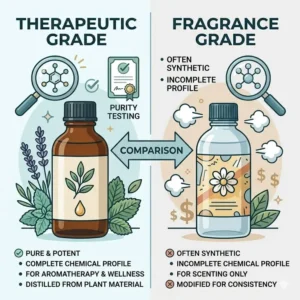
It is vital to understand that a fragrance oil is a lab-created scent designed to mimic nature. They contain phthalates and parabens which are known endocrine disruptors. An essential oil, however, is a complex mixture of hundreds of different molecules created by the plant for its own survival (to attract pollinators or repel pests).
When you inhale an essential oil, molecules like terpenes and esters pass through the blood-brain barrier. Fragrance oils cannot do this; they simply sit in your nasal passages, often triggering “perfume headaches.” If your goal is health, there is no substitute for a genuine plant extract.
🔄 What to Expect: Real-World Performance
When you switch to best quality essential oil brands, the first thing you will notice is the “depth” of the scent. A synthetic lemon smells like a cleaning product—flat and sharp. A real Cliganic Organic Lemon has “notes.” You’ll smell the zest, the pith, and a slight floral undertone.
In terms of performance in a diffuser, pure oils will not leave a sticky residue in the water tank. If you find yourself scrubbing “gunk” out of your diffuser every week, your current oil is likely diluted with a carrier oil or a synthetic extender. Pure oils evaporate completely, leaving your equipment clean and your air pure.
🌍 Sustainability and the Ethics of Extraction
As an expert, I would be remiss not to mention the “cost” of these oils beyond the price tag. Some of the most popular oils come from endangered species.
-
Frankincense & Sandalwood: These trees are often over-harvested. Brands like Plant Therapy and Eden’s Garden have specific sustainability initiatives to ensure they aren’t contributing to the extinction of these ancient trees.
-
The Rose Paradox: It takes 60,000 roses to make one ounce of oil. When you buy “cheap” rose oil, you are often supporting exploitative labor practices in the fields. Paying a fair price for high-quality oil is an ethical choice as much as a health one.
✨ Don’t Miss These Exclusive Deals!
🔍 Take your aromatherapy to the next level with these carefully selected products. Click on any highlighted item to check current pricing and availability. These tools will help you create authentic wellness routines your family will love!
Conclusion: Investing in Your Senses
Choosing from the best quality essential oil brands is an investment in your home environment and your physical well-being. By moving past the marketing hype of “therapeutic grades” and focusing on GC/MS transparency, species verification, and ethical sourcing, you ensure that the air you breathe is as pure as nature intended. Whether you start with a versatile Plant Therapy Lavender or a bulk bottle of NOW Solutions Eucalyptus for your laundry, the key is to stay curious and demand data from the brands you trust.
❓ FAQs
❓ How do I know if an essential oil is high quality?
✅ Look for the Latin name of the plant, the country of origin, and a batch-specific GC/MS report. If the company provides these three things and the oil is stored in an amber glass bottle, it meets the professional standard for purity…
❓ Can I ingest essential oils if they are “Best Quality”?
✅ While some brands promote ingestion, as a consultant, I advise against it without the supervision of a clinical aromatherapist. Even pure oils can cause mucosal irritation or interact with medications when taken internally…
❓ Why does my lavender smell different this time?
✅ This is actually a sign of quality! Because essential oils are agricultural products, the scent changes based on rainfall, soil quality, and harvest time. If an oil smells identical every year, it’s likely being “standardized” with synthetics…
❓ Are essential oils safe for pets?
✅ Many oils, especially Tea Tree, Peppermint, and Cinnamon, can be toxic to cats and dogs because their livers cannot process certain phenols. Always diffuse in a well-ventilated room where the pet can leave if they choose…
❓ Do essential oils expire?
✅ Yes. Citrus oils usually last 1-2 years, while heavier oils like Patchouli or Sandalwood can last 6-10 years. If the oil looks cloudy, thick, or has changed its scent significantly, it has likely oxidized and should be discarded…
Recommended for You
- 5 Best Body Safe Essential Oils for Glowing Skin in 2026
- Room scent oil: 5 Best Essential Picks to Elevate Your Home in 2026
- 5 Best Essential Oil Companies Canada: 2026 Top Expert Picks
Disclaimer: This article contains affiliate links. As an Amazon Associate, I earn from qualifying purchases. If you purchase products through these links, we may earn a small commission at no additional cost to you.
✨ Found this helpful? Share it with your friends! 💬🤗
[addtoany]
