
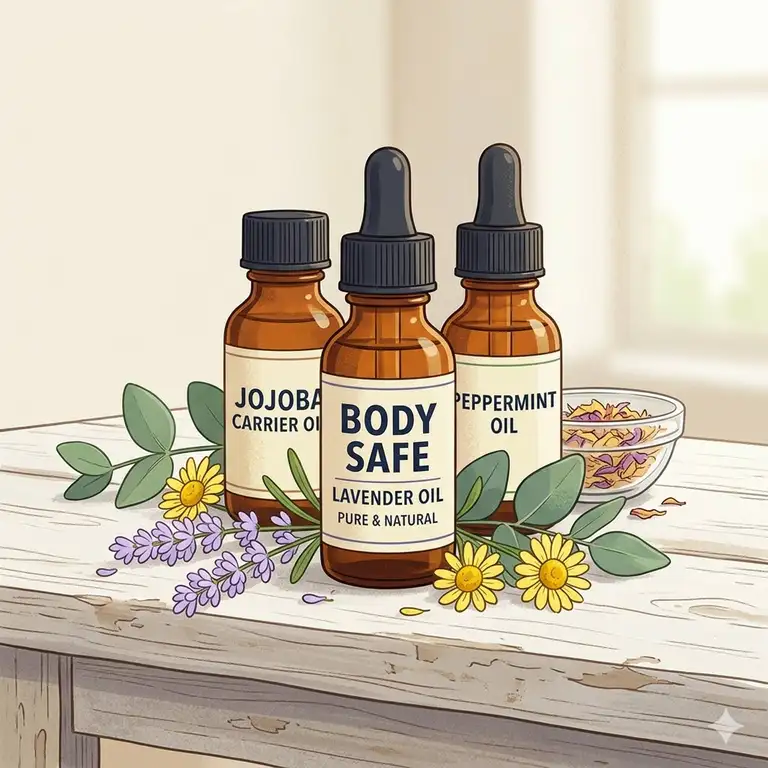
Body safe essential oils are high-purity plant extracts that have been rigorously tested to ensure they are free from synthetic fillers, heavy metals, and pesticide residues. Unlike generic fragrance oils, which often contain phthalates that can disrupt your endocrine system, true body safe essential oils are distilled or cold-pressed directly from botanical sources like leaves, flowers, and resins. In 2026, the standard for “body safe” has evolved beyond simple “therapeutic grade” labels—which were always more marketing than medicine—to include transparent Batch-Specific GC/MS (Gas Chromatography-Mass Spectrometry) reports.
To be considered safe for topical application, these oils must be diluted in a carrier oil, such as jojoba or almond oil, to prevent sensitization or chemical burns. When used correctly, they offer a range of benefits from antimicrobial properties to emotional regulation via the limbic system. However, safety isn’t just about the oil itself; it’s about the chemical constituents within the oil, like linalool or limonene, and how they interact with your unique skin barrier. Understanding the difference between a “natural” scent and a biologically compatible extract is the first step in your aromatherapy journey.
Quick Comparison of Top Body Safe Essential Oils
| Product Name | Primary Benefit | Purity Testing | Best For |
| Plant Therapy Lavender | Calming & Skin Repair | GC/MS Verified | Beginners & Families |
| Edens Garden Fighting Five | Immune Support | Third-Party Tested | Seasonal Wellness |
| Rocky Mountain Lemon | Brightening & Cleaning | Internal & External Lab | Oily Skin Types |
| NOW Organic Peppermint | Cooling & Muscle Relief | USDA Organic | Post-Workout Recovery |
| Vitruvi Eucalyptus | Respiratory Clarity | Non-GMO Project | Spa-Like Atmosphere |
Expert Analysis of the Comparison Table
Looking at the data above, Plant Therapy Organic Lavender Essential Oil remains the gold standard for those prioritizing transparency, as their public access to batch reports is unmatched in the $15-$20 price bracket. If you are specifically looking for a functional blend rather than a single note, Edens Garden Fighting Five Synergy Blend provides a more complex chemical profile for immune defense, though it requires stricter dilution than the citrus options. Budget-conscious shoppers should note that NOW Solutions Organic Peppermint Oil offers the best price-to-volume ratio, but it lacks the nuanced aromatic profile found in premium brands like Vitruvi.
💬 Just one click — help others make better buying decisions too! 😊
[addtoany]
Top 5 body safe essential oils: Expert Analysis
1. Plant Therapy Organic Lavender Essential Oil
This is widely considered the “Swiss Army Knife” of aromatherapy. It isn’t just about the floral scent; it’s about the high linalool content which acts as a gentle sedative for the nervous system and a soothing agent for inflamed skin.
Key Specifications:
-
Botanical Name: Lavandula angustifolia (The true lavender, not the harsher spike variety).
-
Extraction Method: Steam distilled from flowering tops to preserve delicate esters.
-
Safety Status: KidSafe® certified, meaning it has a lower risk of causing respiratory distress in children.
Expert Opinion:
In my experience, many “cheap” lavenders are actually Lavandin, which contains high camphor levels that can actually irritate the skin. Plant Therapy avoids this by sourcing from high-altitude French farms. What most buyers overlook is their commitment to transparency; you can literally type the code on the bottle into their website to see the exact chemical makeup of your specific batch. This is the ultimate choice for anyone with sensitive skin or a household with young kids.
Customer Feedback Summary:
Users consistently praise the “authentic” smell that lacks the chemical “after-burn” of drugstore brands. Several reviewers noted it significantly helped with minor kitchen burns and sleep quality.
-
Pros: Third-party GC/MS tested, USDA Organic, KidSafe approved.
-
Cons: Higher price point than generic brands, bottle dropper can be slightly fast.
Price Range: Around $10-$18 (10ml to 30ml)
Value Verdict: The gold standard for safety and reliability in 2026.
2. Edens Garden Fighting Five Synergy Blend
A powerhouse blend of Clove, Lemon, Cinnamon, Eucalyptus, and Rosemary. This is designed to be a functional barrier against environmental threats while smelling incredibly spicy and warm.
Key Specifications:
-
Ingredients: Five 100% pure, therapeutic-grade oils.
-
Eugenol Content: High levels from clove, which provides potent antioxidant properties.
-
Synergy Balance: Formulated by aromatherapists to ensure no single oil overpowers the safety profile of the others.
Expert Opinion:
Synergy blends are tricky because if the ratios are off, you risk skin sensitization. Edens Garden has nailed the “Fighting Five” by keeping the cinnamon bark—a known irritant—at a safe percentage when diluted. I recommend this for frequent travelers who want to create a “protective bubble” in their hotel rooms or on their skin (diluted to 1%). The spec sheet says “immune support,” but the real-world benefit is the incredible mental clarity you get from the eucalyptus-rosemary combo.
Customer Feedback Summary:
Many customers swear by this as a “Thieves” alternative that smells better and costs less. It is a favorite for DIY hand sanitizers and chest rubs.
-
Pros: More affordable than MLM brands, no fillers/synthetics, glass bottle with orifice reducer.
-
Cons: Not safe for children under 10 (due to eucalyptus/rosemary), very strong scent.
Price Range: Around $12-$22
Value Verdict: Best value for high-potency immune support without the multi-level marketing markup.
3. Rocky Mountain Oils Lemon Essential Oil
Cold-pressed from the rinds of fresh lemons, this oil is a powerhouse of d-limonene. It is naturally uplifting and serves as a brilliant astringent for oily skin types.
Key Specifications:
-
Origin: Sourced from high-quality citrus groves in Italy and the USA.
-
S.A.A.F.E. Promise: A proprietary quality guarantee involving internal and external lab testing.
-
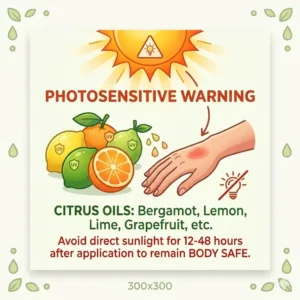
Photosensitivity: Being a citrus oil, it contains furanocoumarins, which require specific usage rules.
Expert Opinion:
Lemon oil is often treated as a “cleaning product,” but Rocky Mountain Oils produces a grade that is distinctly body safe. The high limonene content is excellent for breaking down oils on the skin, but here is what the marketing won’t tell you: it is highly photosensitive. If you apply this and go into the sun, you could get a nasty “margarita burn.” I suggest using this exclusively in your evening skincare routine or heavily diluted in a wash-off product like a facial cleanser.
Customer Feedback Summary:
Reviewers love the “crisp, clean” scent that doesn’t smell like furniture polish. It’s frequently cited as the best oil for removing sticky residue and brightening dull complexions.
-
Pros: Intense aromatic profile, verifiable purity, great for degreasing.
-
Cons: Causes photosensitivity (sun warning), short shelf life (approx. 1-2 years).
Price Range: Around $13-$17
Value Verdict: The best “brightening” oil for those who understand the rules of citrus safety.
4. NOW Solutions Organic Peppermint Oil
Peppermint is the king of “cool.” Its high menthol content provides a physical cooling sensation that is unrivaled for tension headaches and sore muscles.
Key Specifications:
-
Certification: USDA Organic and Non-GMO Project Verified.
-
Menthol Content: Typically 30-50%, providing significant “zing.”
-
Extraction: Steam distilled from the leaves and flowering tops.
Expert Opinion:
NOW Solutions is often seen as the “budget” option, but in 2026, their organic line holds up surprisingly well against boutique brands. This peppermint oil is incredibly potent. What most buyers overlook is the “rebound effect”—using too much peppermint can actually cause your body to feel colder than intended. Because it is so concentrated, a little goes a long way. It’s my top pick for post-gym foot soaks or cooling leg gels, provided you keep it far away from your eyes!
Customer Feedback Summary:
Fans appreciate the large 1oz (30ml) and 4oz options which make it cost-effective for DIY projects. It’s a staple for those dealing with seasonal allergies or digestive discomfort.
-
Pros: Very high menthol “kick,” widely available, excellent price-to-volume ratio.
-
Cons: Can be overwhelming if diffused in small spaces, not suitable for infants.
Price Range: Around $10-$25 (varies by size)
Value Verdict: The most cost-effective way to stock your medicine cabinet with a high-quality organic oil.
5. Vitruvi Organic Eucalyptus Essential Oil
Vitruvi has carved out a niche for the “aesthetic” wellness seeker, but their oils are more than just pretty packaging. Their Eucalyptus is incredibly refined and focused on respiratory support.
Key Specifications:
-
Variety: Eucalyptus globulus, known for its high eucalyptol (1,8-cineole) content.
-
Design: Chic matte glass bottle that protects the oil from UV degradation.
-
Purity: 100% pure, organic, and vegan.
Expert Opinion:
The 1,8-cineole in Vitruvi‘s Eucalyptus is what gives it that “spa” smell, but it also acts as a potent mucolytic. In my experience, this is the best oil for those who struggle with “morning brain fog” or sinus congestion. While the brand is premium, the quality of the scent is noticeably smoother than the “harsh” eucalyptus found in discount bins. It’s a lifestyle choice—you’re paying for the sourcing and the sophisticated aromatic profile that doesn’t smell like a cough drop.
Customer Feedback Summary:
Users mention that a single drop in the corner of the shower creates an instant steam room effect. It is highly praised for its “expensive-smelling” botanical notes.
-
Pros: Stunning packaging, very high-quality scent profile, organic sourcing.
-
Cons: Most expensive per ml on this list, bottle lid can be tricky to open.
Price Range: Around $18-$22 (15ml)
Value Verdict: A premium “treat yourself” oil that delivers both aesthetic and therapeutic value.
✨ Don’t Miss These Exclusive Deals!
🔍 Take your wellness journey to the next level with these carefully selected products. Click on any highlighted item to check current pricing and availability. These tools will help you create authentic self-care routines your family will love!
The Ultimate Safety & Dilution Masterclass (Transformation)
Using body safe essential oils effectively requires moving beyond the “more is better” mindset. Essential oils are roughly 50 to 100 times more concentrated than the plant they were extracted from. For instance, it takes about 250 pounds of lavender flowers to produce just one pound of essential oil. This sheer potency is why direct skin application is a recipe for disaster.
How to Calculate Your Dilution
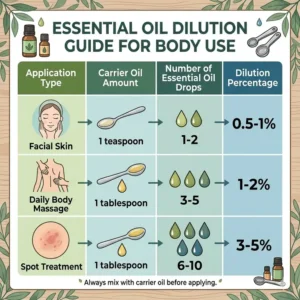
In 2026, the standard for topical safety is categorized by the “Percentage Method.” Your skin type and the area of application determine your dilution ratio:
-
1% Dilution: This is for daily use on large areas of the body or for those with sensitive skin. Use 5-6 drops of essential oil per 1 ounce (30ml) of carrier oil.
-
2% Dilution: The “standard” for most adults. Perfect for massage oils or localized skin issues. Use 10-12 drops per ounce of carrier oil.
-
3%+ Dilution: Reserved for acute issues like a muscle cramp or a bug bite. This should only be used for short periods on small areas.
Choosing Your “Vehicle” (Carrier Oils)
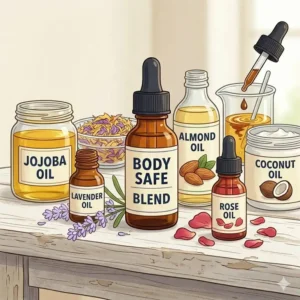
The “body safe” equation isn’t complete without a high-quality carrier. Don’t reach for the canola oil in your pantry! Instead, choose a carrier based on your skin’s needs:
-
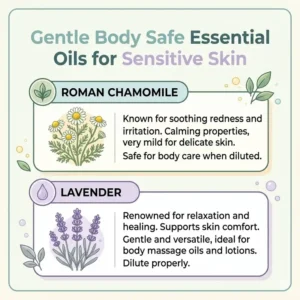
Jojoba Oil: Actually a liquid wax that mimics human sebum. Best for facial use and acne-prone skin.
-
Fractionated Coconut Oil (MCT): Always stays liquid and has no scent. Best for roller bottles and long-term storage because it doesn’t go rancid.
-
Sweet Almond Oil: High in Vitamin E. Best for dry, itchy skin but avoid if you have nut allergies.
Fixing Skin Sensitivity: The Problem-Solution Guide (Transformation)
Even with the highest quality body safe essential oils, things can go wrong. If you’ve ever experienced a “hot” sensation or a red rash after applying an oil, your skin is telling you something is off.
| Problem | Immediate Solution | Long-Term Prevention |
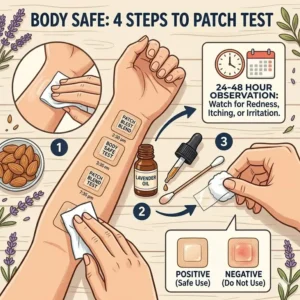
| Burning/Stinging | Apply more carrier oil (Fatty oil) immediately to dilute. Do NOT use water. | Always perform a patch test on the inside of your elbow for 24 hours. |
| Photosensitivity | Stay out of direct sunlight for 12-18 hours. | Use citrus oils only in “wash-off” products or during your PM routine. |
| Sensitization | Stop using that specific oil for at least 3 months. | Rotate your oils. Don’t use the same blend every single day for years. |
| Allergic Reaction | Consult a doctor; antihistamines may be required. | Check the botanical family (e.g., if you’re allergic to ragweed, avoid Chamomile). |
The “Water Mistake”
The most common error people make when an oil burns their skin is jumping in the shower. Since essential oils are lipophilic (fat-loving) and hydrophobic (water-hating), water will actually drive the oil deeper into your pores, intensifying the burn. If you feel a sting, grab the nearest bottle of olive oil, coconut oil, or even milk, and rub it over the area to “catch” the essential oil molecules and lift them off the skin.
How to Choose body safe essential oils: The Purity Checklist
Choosing the right oil in a crowded 2026 market requires a bit of detective work. The FDA does not strictly regulate the term “therapeutic grade,” so you have to look for the data yourself. A truly body safe oil will always have three things: a Latin name, a specific country of origin, and a batch number.
1. The Latin Name Verification
If a bottle just says “Lavender,” walk away. There are dozens of species. Lavandula angustifolia is the skin-safe variety, while Lavandula latifolia (Spike Lavender) is much higher in camphor and can be irritating. Always check the botanical name to ensure you’re getting the specific chemical profile you need. According to the National Association for Holistic Aromatherapy (NAHA), proper botanical identification is the first pillar of safety.
2. GC/MS Testing Transparency
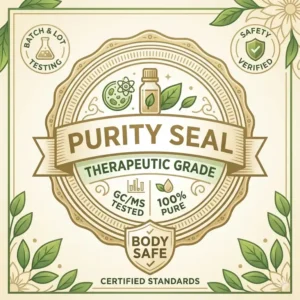
A Gas Chromatography/Mass Spectrometry (GC/MS) report is like a DNA test for your oil. it breaks down every single chemical constituent (like Linalool, Limonene, and Pinene). This report proves that the oil hasn’t been adulterated with synthetic fragrances or “stretched” with cheaper oils. High-end brands like Plant Therapy and Rocky Mountain Oils provide these for free.
3. Sourcing and Sustainability
In 2026, we also consider the “body” of the planet. Essential oils like Sandalwood and Frankincense are often over-harvested. Look for brands that mention “Ethical Sourcing” or “Wildcrafted” standards. An oil harvested under stress will have a different chemical profile—and therefore a different effect on your skin—than one grown in its natural habitat.
Body-Safe vs. Fragrance Oils: Why Your Skin Knows the Difference
It is tempting to buy that $5 bottle of “Vanilla Cupcake” oil from the craft store to use in your body butter, but your skin will pay the price. Fragrance oils are synthetic compounds created in a lab. While they smell exactly like their namesake, they lack the complex biological components of a real plant extract.
The Phthalate Factor
Most synthetic fragrance oils contain phthalates, which are used to make the scent last longer. Research published in PubMed has linked phthalate exposure to endocrine disruption and skin sensitivity. True body safe essential oils are “volatile,” meaning they evaporate. If a scent lingers on your skin for 12 hours without fading, it’s almost certainly a synthetic fragrance, not a pure essential oil.
The Synergy of Nature
Pure essential oils contain hundreds of different molecules that work in synergy. For example, in a whole essential oil, some components might be irritating on their own, but other “quenching” molecules in the same oil naturally mitigate that irritation. Labs can’t replicate this complex biological balance, which is why real oils often feel “gentler” on the system than their synthetic counterparts.
What to Expect: Real-World Performance & Skin Reaction
When you start using body safe essential oils, don’t expect an overnight miracle. Unlike synthetic chemicals that might “mask” a skin issue, essential oils work by supporting the skin’s natural functions.
The First 48 Hours
Initially, you might notice a slight “tingle” if you’re using a stimulating oil like peppermint or lemon. This is normal circulation-boosting activity. However, if you see redness or feel itching, you’ve likely over-concentrated your blend. On a psychological level, the “aroma-hit” is immediate. Your olfactory bulb sends signals to the amygdala, often resulting in an immediate sense of “calming down” or “waking up.”
The Two-Week Mark
After about 14 days of consistent, diluted use (especially with oils like Lavender or Frankincense), users often report a more “balanced” skin tone. Because many essential oils are adaptogens, they help regulate oil production—meaning dry skin feels more hydrated and oily skin feels less greasy. This is the “transformation” phase where the chemical constituents have had time to interact with your skin’s cellular turnover.
Features That Actually Matter (And Those That Don’t)
Marketing in the essential oil industry is thick with buzzwords. Let’s filter the hype so you spend your money on what actually affects your skin safety.
Matters: Dark Glass Packaging
Essential oils are light-sensitive. UV rays break down the chemical bonds, turning your “healing” oil into a skin irritant. If an oil comes in a clear plastic bottle, it is not body safe. Always look for amber, cobalt blue, or violet glass.
Matters: The Orifice Reducer
This is the little plastic stopper in the neck of the bottle. It isn’t just to keep you from spilling; it limits oxygen exposure. Every time you open a bottle, oxidation occurs. A good reducer keeps your oil fresh and stable for longer.
Doesn’t Matter: “Therapeutic Grade”
As mentioned, this term is unregulated. Every company has its own definition. Focus instead on “Third-Party Tested” or “ISO Certified.” These are actual standards that require a paper trail.
Doesn’t Matter: “Direct from the Farm”
While it sounds romantic, many small farms don’t have the equipment to properly test for heavy metals in the soil. A reputable “bottler” who sources from multiple farms and conducts rigorous lab testing is often safer than a single-farm source that lacks a chemist on staff.
Long-Term Cost & Maintenance: Essential Oil Shelf Life
Essential oils are an investment, but they don’t last forever. Using an oxidized oil on your body is one of the fastest ways to develop a permanent allergy.
-
Citrus Oils (Lemon, Grapefruit): 1–2 years. These are the most volatile and oxidize quickly.
-
Florals & Herbs (Lavender, Peppermint): 3–4 years.
-
Woods & Resins (Sandalwood, Frankincense): 6–10 years. These actually often get better with age.
Maintenance Tips for Longevity
To get the best ROI on your body safe essential oils, store them in a “Cool, Dark, and Dry” place. Many enthusiasts in 2026 use a dedicated “Oil Fridge” (set to around 55°F or 12°C) to extend the life of their delicate citrus and pine oils. If an oil starts to look cloudy or the smell changes from “crisp” to “sour/acidic,” it’s time to toss it. Do not risk your skin barrier on a $15 bottle of expired oil.
Analysis of Price Range and Value
| Price Category | Average Cost | What You Get | Who It’s For |
| Budget | $8 – $12 | Basic purity, often non-organic, reliable scents. | DIY cleaning, large-batch diffusers. |
| Mid-Range | $13 – $20 | GC/MS testing, Organic options, specific safety labels. | The Sweet Spot for Body Use. |
| Premium | $21 – $50+ | Rare botanicals, aesthetic packaging, deep sustainability. | Enthusiasts, professional therapists. |
Value Analysis
For most users, the Mid-Range ($13-$20) offers the highest ROI. Brands in this bracket provide the necessary lab documentation to ensure you aren’t putting pesticides on your skin, without the “luxury tax” of high-end lifestyle brands. If you are using oils daily for skincare, the “Price Per Drop” in a 30ml bottle of NOW or Plant Therapy is significantly lower than buying 5ml “sample sizes” of premium brands.
✨ Don’t Miss These Exclusive Deals!
🔍 Take your wellness journey to the next level with these carefully selected products. Click on any highlighted item to check current pricing and availability. These tools will help you create authentic self-care routines your family will love!
Conclusion
Navigating the world of body safe essential oils in 2026 is about blending ancient botanical wisdom with modern analytical chemistry. By prioritizing brands that offer transparent GC/MS testing—like Plant Therapy or Rocky Mountain Oils—you ensure that your self-care routine is actually caring for your health, not introducing hidden toxins. Remember that the “magic” is in the dilution; treat these oils with the respect their potency deserves, and your skin will reward you with a healthy, natural glow. Whether you’re reaching for the cooling relief of NOW Peppermint or the spa-like luxury of Vitruvi Eucalyptus, you now have the framework to choose and use these plant powerhouses with confidence.
FAQs
❓ Are all essential oils body safe?
✅ No. Some oils, like Wintergreen or Cinnamon Bark, are highly irritating and can be toxic if used improperly. Always look for oils labeled for topical use and check for batch-specific GC/MS testing to ensure there are no synthetic adulterants…
❓ Can I apply body safe essential oils directly to my skin?
✅ Generally, no. Even “body safe” oils are too concentrated for “neat” application. You must dilute them in a carrier oil (like jojoba) to prevent sensitization, chemical burns, or long-term allergic reactions…
❓ Which essential oil is best for sensitive skin?
✅ Lavender (Lavandula angustifolia) and German Chamomile are widely considered the safest for sensitive skin due to their high ester content and anti-inflammatory properties. Always dilute to a 1% ratio for the first application…
❓ How do I know if my essential oil has gone bad?
✅ Check for changes in aroma (it may smell sour or metallic), consistency (it may become thick or cloudy), or skin reaction. If an oil that used to be fine now causes redness, it has likely oxidized…
❓ Is it safe to use body safe essential oils during pregnancy?
✅ Some are safe (like Lavender), while others (like Clary Sage or Rosemary) should be avoided. Always consult with a healthcare provider and a certified aromatherapist, as certain oils can affect hormone levels or uterine contractions…
Recommended for You
- Room scent oil: 5 Best Essential Picks to Elevate Your Home in 2026
- 5 Best Essential Oil Companies Canada: 2026 Top Expert Picks
- 5 Best perfume scented essential oil Blends for 2026: Elevate Your Home
Disclaimer: This article contains affiliate links. As an Amazon Associate, I earn from qualifying purchases. If you purchase products through these links, we may earn a small commission at no additional cost to you. The information provided is for educational purposes and is not intended to diagnose or treat any medical condition.
✨ Found this helpful? Share it with your friends! 💬🤗
[addtoany]
