
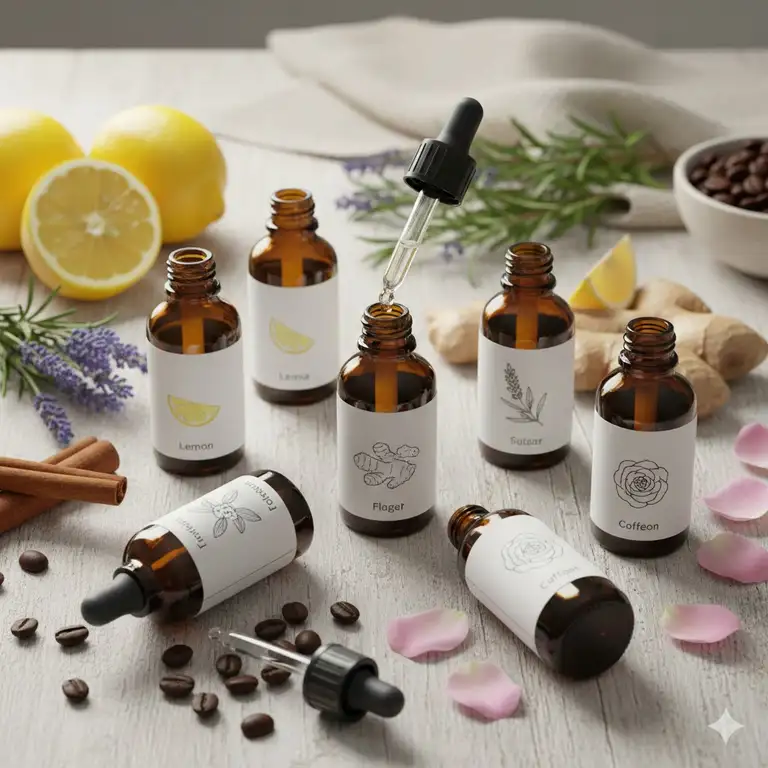
Have you ever bitten into a lemon poppyseed muffin and thought, “Wow, this tastes like a sunshine-soaked dream,” only to find out the baker didn’t use a single lemon peel? Welcome to the high-stakes, high-aroma world of essential oil flavors. If you are looking to revolutionize your kitchen, your skincare line, or even your DIY lip balm hobby, you have come to the right place. I have spent years sniffing out the best ingredients, and let me tell you, not all oils are created equal.
✨Was this helpful? Spread the word! 🚀
In 2026, the demand for natural, potent, and “clean label” ingredients has skyrocketed. People no longer want synthetic “fruit punch” chemicals; they want the real deal. When we talk about essential oil flavors, we are talking about the concentrated essence of a plant—the volatile compounds that give a peppermint leaf its zing or an orange its zest. But hold your horses! You can’t just drop any old oil from the craft store into your cake batter. You need food-grade, high-quality essential oil flavors that are safe for consumption and pack a punch.
Before we dive into the nitty-gritty of chemical profiles and distillation methods, let’s look at how essential oil flavors stack up against their traditional counterparts.
Essential Oil Flavors vs. Traditional Extracts: A Quick Comparison
| Feature | Essential Oil Flavors | Traditional Alcohol Extracts | Synthetic Flavorings |
| Concentration | Extremely High (1-2 drops = 1 tsp) | Moderate | Variable |
| Base Ingredient | Pure Plant Volatiles | Alcohol and Water | Propylene Glycol/Chemicals |
| Heat Stability | High (mostly) | Low (alcohol evaporates) | High |
| Flavor Profile | Complex and “True to Plant” | Mild and Sweet | One-dimensional |
| Cost Per Serving | Very Low (due to potency) | Moderate | Low |
| Shelf Life | 2-5 Years | 1-3 Years | 5+ Years |
Quick Comparison: The Elite 7 Essential Oil Flavors
If you are in a rush to get baking, here is the fast-track list of the best essential oil flavors on the market right now.
| Product Name | Primary Use | Strength | Best For |
| LorAnn Super Strength Peppermint | Baking/Candy | Professional | Hard Candy & Chocolates |
| Young Living Vitality Lemon | Beverages/Cooking | Premium Food Grade | Lemonade & Marinades |
| doTERRA CPTG Wild Orange | Wellness/Flavor | Ultra-Pure | Smoothies & Desserts |
| Dolce Foglia Mango Flavor | Professional Culinary | High Potency | Tropical Confections |
| Simply Organic Peppermint Flavor | Organic Baking | USDA Certified | Cookies & Brownies |
| Gya Labs Food Grade Lavender | Gourmet Cooking | Therapeutic Grade | Teas & Shortbread |
| Native Vanilla Pure Vanilla Oil | Luxury Baking | Alcohol-Free | Custards & Frostings |
Top 7 Essential Oil Flavors: Expert Analysis
I have scoured the depths of the 2026 market to find products that aren’t just “good,” but are game-changers. Here is my deep dive into the best essential oil flavors you can buy today.
1. LorAnn Super Strength Peppermint Flavor
When it comes to essential oil flavors, LorAnn is the “grandaddy” of them all. They have been providing professional-grade oils to candy makers for decades. Their peppermint is legendary because it is three to four times stronger than a typical extract.
-
Technical Specifications:
-
Volume: 1 dram (3.7ml) up to 1 gallon.
-
Base: Essential Oil based.
-
Solubility: Oil and Water-compatible (emulsified).
-
Certifications: Kosher, Gluten-Free.
-
-
Customer Review Analysis: Users consistently praise the “ice-cold” punch this oil provides. One reviewer noted, “I used this in my Christmas fudge and only needed 4 drops for the whole tray. It’s potent!”
-
Warranty/Support: 30-day return policy via major retailers like Amazon.
-
Pros: Incredible value; extremely concentrated; heat stable for hard candy.
-
Cons: Not organic; the tiny bottles can be fiddly to open.
2. Young Living Vitality Lemon Essential Oil
Young Living changed the game by labeling specific oils as “Vitality” to indicate they are safe for ingestion. This essential oil flavor is cold-pressed from the rinds of lemons, ensuring you get all the limonene benefits without the acidity of the juice.
-
Technical Specifications:
-
Volume: 5ml.
-
Extraction: Cold-pressed.
-
Purity: Seed to Seal guarantee.
-
Application: Culinary/Dietary supplement.
-
-
Customer Review Analysis: Fans love the “bright and clean” taste. It’s a favorite for those who add a drop to their morning water. However, some complain about the premium price point.
-
Professional Application: High-end mixology and gourmet salad dressings.
-
Pros: Very high purity standards; excellent for “raw” food applications.
-
Cons: Expensive; requires a distributor or Amazon markup.
3. doTERRA CPTG Wild Orange
doTERRA’s Wild Orange is another heavy hitter in the world of essential oil flavors. Their CPTG (Certified Pure Tested Grade) ensures no fillers or contaminants. The flavor is remarkably similar to peeling a fresh orange in your kitchen.
-
Technical Specifications:
-
Volume: 15ml.
-
Main Constituent: Limonene.
-
Flavor Profile: Sweet, citrusy, fresh.
-
-
Customer Review Analysis: Customers rave about the uplifting scent and the “burst of citrus” it adds to chocolate desserts. One user mentioned, “It’s the only orange flavor that doesn’t taste like cough medicine.”
-
Professional Application: Pastry chefs use this for flavoring ganache and delicate mousses.
-
Pros: Multi-purpose (diffuse or eat); large bottle size compared to competitors.
-
Cons: Pricey for everyday baking.
4. Dolce Foglia Mango Essential Oil Flavor
If you want something exotic, Dolce Foglia Mango Flavor is a specialty essential oil flavor designed for those who need high-heat stability and a vegan-friendly profile. It’s a favorite in the “keto” baking community.
-
Technical Specifications:
-
Concentration: High Potency.
-
Ingredients: Natural flavor components, essential oils.
-
Dietary: Vegan, Keto, Sugar-free.
-
-
Customer Review Analysis: People are shocked at how “real” the mango tastes. “It doesn’t have that weird soapy aftertaste that most tropical flavors have,” says one verified buyer.
-
Pros: Unique flavor; great for specialized diets; no sugar.
-
Cons: Harder to find in local stores; more of a “flavor oil” blend.
5. Simply Organic Peppermint Flavor
For the “green” kitchen, Simply Organic Peppermint Flavor is a top-tier choice. While it’s labeled as a flavor, its base is pure organic peppermint oil, making it a reliable essential oil flavor for health-conscious consumers.
-
Technical Specifications:
-
Volume: 2 fl oz.
-
Certification: USDA Organic.
-
Base: Organic Sunflower Oil.
-
-
Customer Review Analysis: Reviewers appreciate the glass bottle and the organic certification. It is noted as being “milder” than the LorAnn version, which some people prefer for delicate cookies.
-
Pros: USDA Organic; easy-to-pour bottle; non-GMO.
-
Cons: Less concentrated than “super strength” versions.
6. Gya Labs Food Grade Peppermint Oil
Gya Labs Food Grade Peppermint Oil offers a therapeutic-grade experience that is safe for the kitchen. This is a versatile essential oil flavor that bridges the gap between aromatherapy and culinary arts.
-
Technical Specifications:
-
Extraction: Steam distilled.
-
Origin: India/USA.
-
Safety: Food grade.
-
-
Customer Review Analysis: Users love the “herbal” depth of this oil. It’s not just sweet; it has the complexity of the actual plant.
-
Pros: Very affordable; large bottle; high purity.
-
Cons: Intense scent can be overwhelming if you over-pour.
7. Native Vanilla Pure Vanilla Bean Oil
Vanilla is usually an extract, but Native Vanilla Pure Vanilla Oil uses an oleoresin base that behaves like an essential oil flavor. It is perfect for high-fat recipes like frostings where water-based extracts might separate.
-
Technical Specifications:
-
Source: Grade A Vanilla Beans.
-
Alcohol-Free: Yes.
-
Texture: Slightly viscous.
-
-
Customer Review Analysis: “The smell is heavenly,” says one home baker. It’s praised for its ability to hold flavor even after being baked at high temperatures.
-
Pros: Rich, deep flavor; alcohol-free; great for keto recipes.
-
Cons: Thick consistency can make it hard to measure by the drop.
🚀 Take Your Flavors to the Next Level!
✨ Don’t Miss These Exclusive Deals! 🔍 Elevate your kitchen game with these professional-grade essential oil flavors. Click on any of the product names above to check the latest 2026 pricing and availability on Amazon. Whether you’re making candy, cocktails, or keto treats, these oils are the secret weapon you’ve been looking for! 👩🍳✨
💬 Just one click – help others make better buying decisions too!😊
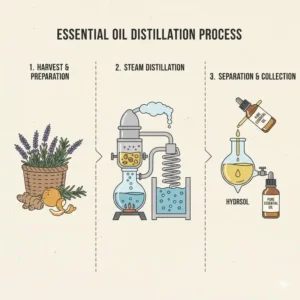
Detailed Specifications Matrix
| Product | Base Type | Heat Stable? | Organic? | Drops per 1 tsp Extract |
| LorAnn Peppermint | Essential Oil | Yes | No | 1-2 drops |
| YL Vitality Lemon | Pure Cold Pressed | Yes | No (but high purity) | 2-3 drops |
| doTERRA Orange | Pure Cold Pressed | Yes | No | 2-3 drops |
| Dolce Foglia Mango | Natural Blend | Yes | No | 3-5 drops |
| Simply Organic | Sunflower Oil | Moderate | Yes | 10-15 drops |
| Gya Labs Mint | Pure Distilled | Yes | No | 1-2 drops |
| Native Vanilla | Oleoresin | Yes | Yes | 5-8 drops |
The Science of Essential Oil Flavors: Why They Work
You might be wondering, “Why can’t I just use a lime?” Well, you can, but essential oil flavors offer something fruit cannot: consistency and intensity. According to research on volatile organic compounds, the “flavor” we perceive is actually about 80% smell. Since essential oils are the concentrated aromatic compounds of the plant, they bypass the tongue and head straight for the olfactory bulb, creating a “flavor explosion.”
How Essential Oils Interact with Food
When you use a flavor essential oil, you are working with a highly hydrophobic substance. This means it loves fat and hates water. This is why essential oil flavors are so popular in:
-
Chocolates: Since water ruins chocolate (seizing), an oil-based flavor is the only way to go.
-
Frostings: They blend seamlessly into butter and shortening.
-
Baking: The fats in butter and eggs “carry” the flavor throughout the crumb of the cake.
However, because they are so potent, the “mechanism” of flavoring changes. You aren’t adding volume; you are adding chemistry. For instance, the essential oils for flavoring peppermint treats contain high levels of menthol, which actually triggers the “cold” receptors in your mouth. This is a physical sensation, not just a taste!
Benefits Quantification: Essential Oil Flavors vs. Extracts
| Benefit | Essential Oil Flavors | Standard Extracts |
| Flavor Longevity | Stays strong for months in storage | Fades as alcohol evaporates |
| Moisture Content | Zero (won’t affect recipe chemistry) | High (can thin out dough) |
| Caloric Impact | Negligible | Often contains sugar/syrups |
| Nutrient Density | Contains plant terpenes/antioxidants | Mostly flavor molecules |
Deep Dive: Secondary Keywords and Variations
When searching for the perfect ingredient, people use many terms. You might look for a flavoring essential oil or perhaps flavors of essential oils. In the industry, we often refer to these as “food grade” or “GRAS” (Generally Recognized As Safe) oils.
Why Use Flavors of Essential Oils?
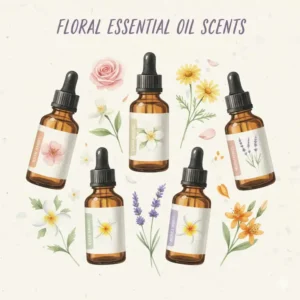
The main reason people switch to essential oils flavors is the sheer variety. While you can easily find “vanilla” or “almond” extract at the grocery store, finding “Cardamom” or “Black Pepper” extract is nearly impossible. But a flavor essential oil of Cardamom? That’s easy to find and will make your morning coffee taste like a high-end Moroccan cafe.
Understanding Essential Oils for Flavoring
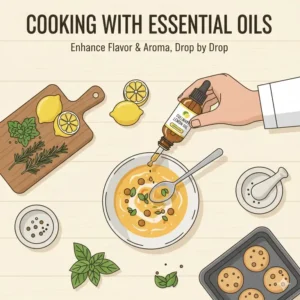
Using essential oils for flavoring requires a bit of a learning curve. I always tell people: “You can always add more, but you can’t take it out.” If you put five drops of Oregano oil in your pasta sauce, you’ve just made “pizza-flavored soap.” One drop on a toothpick is often enough for a whole pot of soup.
Essential Oils Flavor Variations to Try:
-
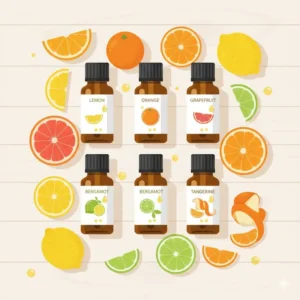
Citrus: Lemon, Lime, Bergamot, Grapefruit.
-
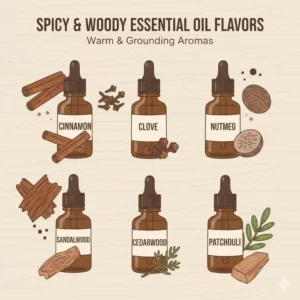
Spice: Cinnamon, Clove, Nutmeg, Ginger.
-
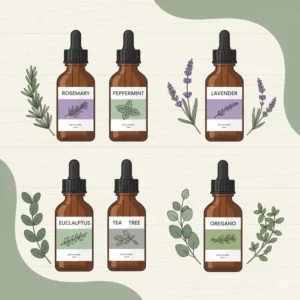
Herbal: Basil, Rosemary, Thyme, Sage.
-
Floral: Lavender, Rose, Geranium (use sparingly!).
Feature Matrix: Choosing the Right Model for Your Kitchen
| User Category | Recommended Flavor Type | Key Feature to Look For |
| The Home Baker | Super Strength (LorAnn) | Heat Stability |
| The Wellness Enthusiast | Therapeutic Grade (doTERRA/YL) | Purity Testing (GC/MS) |
| The Organic Shopper | USDA Certified (Simply Organic) | Non-GMO Labels |
| The Professional Chef | High-Capacity Bulk Oils | Price-per-Ounce Ratio |
| The Keto/Dieter | Alcohol-Free/Sugar-Free | No Propylene Glycol |
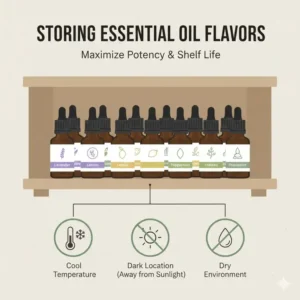
Safety and Requirements Analysis
Before you start glugging these down, we need to talk safety. Essential oil flavors are no joke. In 2026, the FDA (Food and Drug Administration) has strict guidelines on which oils are GRAS. You can find more information on the FDA’s official GRAS list.
Requirements for Safe Use
-
Dilution: Never consume essential oils “neat” (undiluted). They should always be mixed into a carrier, like honey, olive oil, or a fat-heavy batter.
-
Storage: Keep your essential oil flavors in a cool, dark place. Light and heat are the enemies of flavor.
-
Quality: Ensure the bottle specifically says “Food Grade” or “Supplemental Facts.” If it says “For external use only,” keep it out of your mouth!
Safety Comparison Table
| Safety Factor | Food-Grade Essential Oil | Craft-Store Fragrance Oil |
| Ingestible? | Yes, with proper dilution | NO (Toxic) |
| Labeling | Includes “Nutrition” or “Supplement” facts | Usually says “Aromatherapy” |
| Testing | GC/MS tested for purity | Often contains phthalates/synthetics |
| Source | 100% Plant-derived | Petroleum-based components |
Performance Metrics: Cost Analysis
One of the biggest myths is that essential oil flavors are too expensive. Let’s crunch the numbers. A 15ml bottle of doTERRA Wild Orange contains about 250-300 drops. If you use 2 drops per batch of muffins, that’s 125-150 batches of muffins!
| Product | Price Est. | Uses per Bottle | Cost per Serving |
| LorAnn Peppermint | $2.50 | 20-30 | $0.10 |
| Young Living Lemon | $15.00 | 100 | $0.15 |
| Gya Labs Mint | $10.00 | 300 | $0.03 |
| Simply Organic | $6.00 | 50 | $0.12 |
As you can see, the essential oil flavor route is actually much cheaper in the long run than buying those tiny $8 bottles of “imitation” vanilla that taste like alcohol and sadness.
✨ Ready to transform your kitchen?
🔍 Click on any of the product names in this article to find the best deals on Amazon and start your essential oil journey today! Your next culinary masterpiece is just a drop away. 🚀✨
Conclusion: Elevate Your Taste Buds
In conclusion, finding the right essential oil flavors is about more than just a good smell—it’s about quality, safety, and potency. Whether you choose the professional strength of LorAnn Super Strength or the organic purity of Simply Organic, you are making a choice to move toward a more natural and flavorful lifestyle. I personally love keeping a bottle of doTERRA Wild Orange in my pantry just to jazz up a boring glass of sparkling water. It’s the little things, right?
Remember to always check for that “food grade” label and start with a single drop. Your taste buds will thank you, and your friends will wonder how you became a master chef overnight. Now go forth and flavor everything!
Frequently Asked Questions
✅ No, you must only use essential oils specifically labeled as food-grade or having supplement facts. Many aromatherapy oils contain synthetic additives or are derived from plants not safe for consumption. Always verify the ‘GRAS’ status before using…
✅ Use the ‘toothpick method’ or a glass dropper. Because essential oil flavors are highly concentrated, 1-2 drops often replace 1 teaspoon of extract. Start with a tiny amount and taste-test as you go to avoid overpowering the dish…
✅ Most essential oil flavors are quite heat-stable, especially citrus and mint. However, some delicate floral oils like lavender or rose may lose their aromatic nuances if boiled. It is often best to add them to the fat or cooling stage…
✅ Yes, in the long run. While the upfront cost of a high-quality bottle may be higher, the cost-per-serving is lower because you use significantly less volume. One small bottle of essential oil can last for over 100 batches…
✅ Beginners should start with Lemon, Peppermint, and Wild Orange. These are versatile, generally safe, and provide a familiar taste profile that works well in everything from water and tea to cookies and cakes. They are easy to blend… ❓ Can I use any essential oil for flavoring my food?
❓ How do I measure essential oil flavors for baking recipes?
❓ Do essential oil flavors lose their potency when heated?
❓ Is it cheaper to use flavor essential oil than standard extracts?
❓ What are the most popular flavors of essential oils for beginners?
Recommended for You
- 7 Best Essential Oil Body Wash Options for Glowing Skin in 2026
- 7 Best Essential Oil for Bathroom Scents to Refresh Your Home Instantly
- 7 Best Essential Oil Shower Diffuser Options for a Spa-Like 2026
Disclaimer: This article contains affiliate links. If you purchase products through these links, we may earn a small commission at no additional cost to you.
✨ Found this helpful? Share it with your friends! 💬🤗