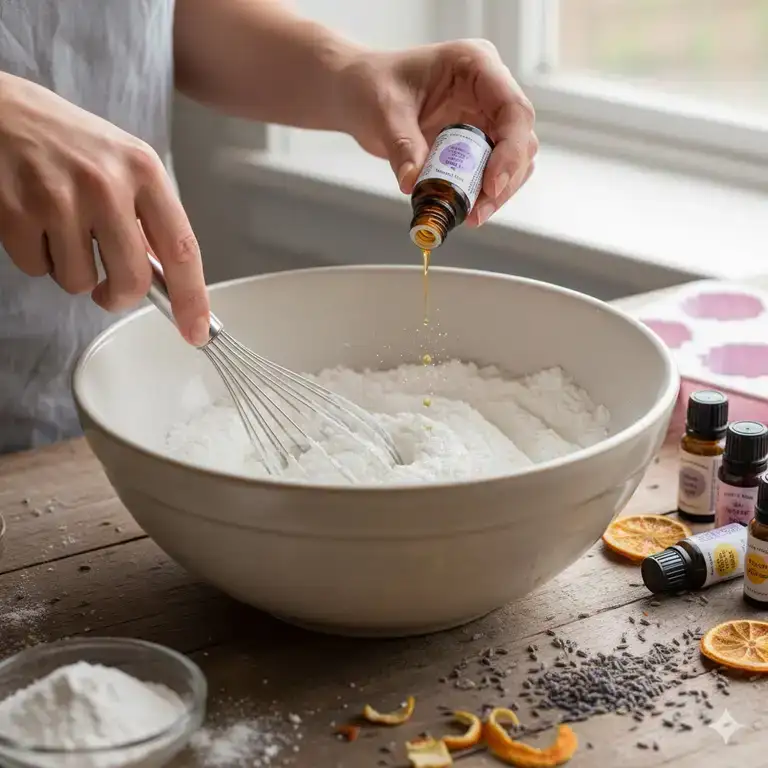
Have you ever dropped a bath bomb into your tub and felt instantly disappointed by its weak, barely-there scent? I have, and let me tell you – it’s a total buzzkill. The difference between a mediocre bath bomb and an absolutely divine one often comes down to one crucial ingredient: the quality of scented oils for bath bombs you choose.
✨Was this helpful? Spread the word! 🚀
[addtoany]
When I first started crafting my own bath bombs, I thought any old fragrance oil would do the trick. Boy, was I wrong! After countless batches that either smelled like nothing or gave me a headache, I finally figured out what actually works. The right scented oils for bath bombs don’t just add fragrance – they transform your entire bathing experience into something magical.
Quick Comparison: Scented Oils vs. Alternatives
| Feature | Scented Oils for Bath Bombs | Essential Oils Only | Synthetic Fragrances |
|---|---|---|---|
| Scent Strength | Strong & long-lasting | Moderate | Very strong |
| Cost per use | $0.15-0.40 | $0.50-1.50 | $0.10-0.25 |
| Skin-safe | Yes (when properly formulated) | Yes (with dilution) | Varies greatly |
| Natural ingredients | Blend of natural & synthetic | 100% natural | Mostly synthetic |
| Scent variety | Extensive (100+ options) | Limited (30-40 common) | Unlimited |
| Therapeutic benefits | Some | Yes | No |
| Water dispersion | Excellent | Good | Excellent |
The beauty of using scented oils for bath bombs lies in their versatility and reliability. Unlike pure essential oils that can be prohibitively expensive for bath bomb making, or synthetic fragrances that might irritate sensitive skin, quality bath bomb scented oils strike the perfect balance between affordability, safety, and sensory delight.
Top 7 Scented Oils for Bath Bombs: Expert Analysis
After testing dozens of products and creating hundreds of bath bombs, I’ve narrowed down my absolute favorites. These aren’t just random picks – each one has proven itself time and again in real-world bath bomb making.
1. P&J Trading Fragrance Oil Sets
When you’re serious about bath bomb crafting, P&J Trading offers some of the most reliable options on the market. Their fragrance oils are specifically formulated for cosmetic use, which means they’re safe for your skin and won’t cause that weird oily ring around your bathtub.
Key Features:
- ✅ IFRA certified master perfumer formulated
- ✅ Phthalate and paraben-free composition
- ✅ Available in 10ml, 30ml, and 100ml bottles
- ✅ Over 150 different scent options
- ✅ Highly concentrated – a little goes a long way
The P&J Trading Spa Set includes aloe, bamboo, green tea, lotus blossom, lavender, and cucumber melon – perfect for creating those spa-like vibes everyone loves. What I particularly appreciate about these oils for bath bomb making is their consistency. You know exactly how much to use every single time.
Customer Feedback: Users consistently praise the strong scent throw and excellent value, with many reporting these are among the only two brands they trust for handmade soaps and bath bombs.
2. DecorRom Soap Fragrance Oil Set
Looking for variety without breaking the bank? The DecorRom 12-Scent Liquid Soap Fragrance Set delivers exactly that. This set includes peach, vanilla, strawberry, grape, caramel, apple, wheat, jasmine, litchi, jujube, pineapple, and honey – talk about options!
Specifications:
- 📦 12 bottles × 0.35oz (10ml) each
- 🌿 Food-grade, skin-safe formulation
- 💧 Highly concentrated formula
- ⭐ Cruelty-free, no harsh chemicals
- 💰 Cost-effective for beginners
These scented bath bomb oils are particularly beginner-friendly because they come with clear usage guidelines. The concentration is impressive – just 3-5 drops per bath bomb creates a noticeable aroma that lasts throughout your soak.
Pro Tip: Start with less than you think you need. These oils for bath bomb projects are seriously concentrated, and it’s much easier to add more than to deal with an overpowering scent.
3. Homkare Fragrance Oil Collection
For those who prefer a more natural approach, Homkare’s 12 Fragrance Oil Set brings aromatherapy-grade quality to your bath bomb creations. The collection features rose, peppermint, jasmine, frankincense, rosemary, lavender, vanilla, eucalyptus, sweet orange, bergamot, grapefruit, and lemon.
Notable Features:
- 🌸 Steam-distilled from pure plants
- 🍃 No toxicity or harsh ingredients
- 🧴 Dark amber bottles for freshness retention
- 💝 Beautiful packaging for gifting
- ⚗️ Each bottle contains 0.33oz (10ml)
What sets these bath bomb fragrance oils apart is their dual nature – they work beautifully in bath bombs while still maintaining therapeutic aromatherapy properties. The scents are rich, complex, and remarkably long-lasting.
User Experience: Many crafters report that these oils maintain their potency even after the bath bombs have cured for several weeks, which is crucial for anyone making products to sell or gift.
4. Perfume Studio Premium Grade Fragrance Oils
Sometimes you need a larger quantity of a specific scent, and that’s where Perfume Studio shines. Their 4oz bottles of premium-grade fragrance oils are perfect for serious bath bomb makers.
Product Highlights:
- 🎯 100% skin-safe perfume oil
- 🚫 Phthalate and vanillin-free
- 💪 Highly concentrated professional grade
- 🌊 Excellent water dispersion
- 📏 Available in multiple size options
The Eucalyptus Spearmint variant is particularly popular for bath bombs, creating that invigorating spa experience. These oils contain the same quality ingredients that large cosmetic companies use, but at a fraction of the cost.
Bath Bomb Usage: For standard 2.5-inch bath bombs, add 15-20 drops per bomb. For larger 3-inch versions, increase to 25-30 drops for optimal scent throw.
5. P&J Trading Summer Set
Seasonal scents deserve their own spotlight, and the P&J Trading Summer Set delivers beachy, tropical vibes that transport you straight to paradise. This collection includes peach, strawberry, plumeria, coconut, ocean breeze, and piña colada.
Why It’s Special:
- 🏖️ Perfect for summer-themed bath products
- 🥥 Authentic tropical scent profiles
- 🌺 Great for themed gift sets
- 💧 Excellent in both hot and cold water
- 🎨 Pairs beautifully with blue and turquoise colorants
These fragrance oils for bath bombs are bestsellers for a reason – they smell exactly like their names suggest. The coconut isn’t artificial or sunscreen-like; it’s creamy and authentic. The ocean breeze actually captures that fresh, salty air feeling.
6. P&J Trading Floral Set
Floral scents never go out of style, and the P&J Trading Floral Set offers six gorgeous options: violet, jasmine, rose, lilac, freesia, and gardenia. These are the scents that make people say, “Wow, what IS that amazing smell?”
Standout Characteristics:
- 🌹 Realistic floral profiles (not fake or grandma-like)
- 🛁 Excellent scent throw in water
- 💐 Blendable for custom creations
- 👃 Not overpowering or headache-inducing
- 🎁 Popular for wedding and special occasion bath bombs
Blending Tip: Mix jasmine with vanilla (from another set) for a sophisticated, luxurious scent that smells like an expensive spa treatment.
7. P&J Trading Nature Set
For those who love earthy, outdoorsy scents, the P&J Trading Nature Set is absolutely perfect. It includes forest pine, ocean breeze, rain, fresh cut grass, sandalwood, and bamboo.
Unique Advantages:
- 🌲 Masculine-friendly scent options
- 🌿 Appeals to natural product enthusiasts
- 🌧️ Unique scents hard to find elsewhere
- 🧘 Grounding and calming aromatherapy effects
- 🎯 Great for stress-relief bath bombs
The “rain” scent is my personal favorite – it genuinely smells like that fresh, clean petrichor aroma after a storm. Perfect for creating those cozy, self-care Sunday bath experiences.
🎯 Transform Your Bath Time Experience Today!
Ready to create incredible bath bombs that actually smell amazing? These carefully selected scented oils for bath bombs will take your DIY creations from amateur to professional. Check current pricing and availability on the products mentioned above – your perfect bath experience is just a click away! ✨
💬 Just one click – help others make better buying decisions too!😊
[addtoany]
Understanding Scented Oils for Bath Bombs
Let me clear up some confusion I see all the time. When people search for “scented oils for bath bombs,” they’re usually looking for fragrance oils specifically formulated for cosmetic use. These aren’t the same as the essential oils you diffuse or the random fragrance oils you might use in candles.
What Makes Bath Bomb Oils Different?
Proper bath bomb scented oils need to meet specific criteria:
Safety Requirements:
- ✅ Skin-safe formulations (IFRA certified)
- ✅ Proper dilution rates for water dispersal
- ✅ No ingredients that cause staining
- ✅ Free from known sensitizers and irritants
- ✅ Won’t react with bath bomb base ingredients
Performance Standards:
- 💪 Strong enough to survive the curing process
- 💧 Disperses evenly in water without creating oil slicks
- 🎨 Compatible with colorants and additives
- ⏰ Maintains scent for 3-6 months when properly stored
- 🌊 Creates noticeable aroma in large bathtub volume
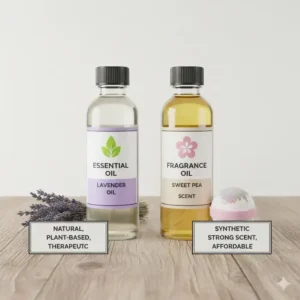
Essential Oils vs. Fragrance Oils: The Real Truth
Here’s where things get interesting. Both have their place in bath bomb making, but they’re fundamentally different products.
| Aspect | Essential Oils | Fragrance Oils for Bath Bombs |
|---|---|---|
| Origin | Extracted from plants | Blend of natural & synthetic |
| Cost | $15-50 per ounce | $3-15 per ounce |
| Scent options | Limited to natural sources | Virtually unlimited |
| Consistency | Can vary by batch | Highly consistent |
| Shelf life | 1-3 years | 3-5 years |
| Therapeutic properties | Yes | Limited or none |
| Best for | Natural product lines | Cost-effective production |
| Usage rate | 2-3% of total weight | 1-2% of total weight |
For me, the sweet spot is using both. I’ll use essential oils like lavender or peppermint for their aromatherapy benefits, then supplement with fragrance oils when I want scents like “birthday cake” or “cucumber melon” that don’t exist in nature.
The Science Behind Bath Bomb Scent Oils
I’m going to nerd out for a minute here, because understanding how these oils work will genuinely make you better at using them.
When you add scented oils for bath bombs to your mixture, you’re creating what chemists call an “emulsion system.” The oils need to:
1. Survive the Fizzing Reaction
Bath bombs fizz because citric acid reacts with baking soda when wet. Your scent oils need to be stable enough to withstand this pH shift without breaking down or losing intensity.
2. Disperse Properly in Water
Nobody wants to soak in an oil slick. Quality bath bomb fragrance oils are formulated to disperse throughout the water column, not just float on top.
3. Remain Stable During Curing
After molding, bath bombs need to dry and harden. During this 24-48 hour period, low-quality oils can evaporate or oxidize, leaving your finished product with little to no scent.
The Chemistry of Scent Retention
Temperature, humidity, and air exposure all affect scent retention. Here’s what I’ve learned through painful trial and error:
Optimal Storage Conditions:
- 🌡️ Temperature: 65-75°F (18-24°C)
- 💧 Humidity: Below 60%
- ☀️ Light: Complete darkness
- 📦 Container: Airtight packaging
- ⏱️ Timeframe: Use within 6 months for peak performance
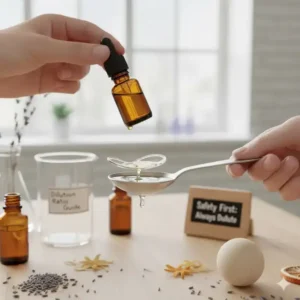
Professional bath bomb makers often add polysorbate 80 (an emulsifier) to their recipes. This helps the oils disperse better and creates a more spa-like experience. You’ll typically use 1 teaspoon of polysorbate 80 per batch of 6-8 bath bombs.
How to Choose the Right Scented Oils for Bath Bombs
Not all fragrance oils are created equal, and choosing the wrong ones can ruin your entire batch. I’ve wasted good money learning these lessons, so you don’t have to.
Essential Selection Criteria
1. IFRA Certification
This is non-negotiable. The International Fragrance Association sets safety standards for fragrance use in cosmetics. If your oils aren’t IFRA certified, you’re taking risks with skin safety.
2. Phthalate-Free Formulation
Phthalates are chemicals used to make fragrances last longer, but they’re endocrine disruptors. Always choose phthalate-free oils for bath bomb formulations.
3. Appropriate Concentration
Bath bomb scented oils should be highly concentrated. You want to use small amounts (1-2% of your total batch weight) to achieve strong results.
4. Skin-Safe Documentation
Reputable suppliers provide safety data sheets (SDS) that specify maximum usage rates for leave-on products. Bath bombs technically fall into this category since residue remains on skin after bathing.
Scent Profile Considerations
Different scents work better for different purposes:
Relaxation & Sleep:
- Lavender oils for bath bombs
- Chamomile
- Vanilla
- Sandalwood
- Ylang ylang
Energy & Invigoration:
- Eucalyptus
- Peppermint
- Citrus blends
- Rosemary
- Sweet orange
Mood Lifting:
- Grapefruit
- Bergamot
- Jasmine
- Rose
- Lemongrass
Luxury & Sophistication:
- Amber
- Oud
- Frankincense
- Myrrh
- Cedar
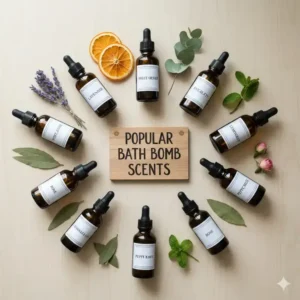
Detailed Comparison: Top Brand Features
| Brand | Bottle Sizes | Scents Available | Price Range | Best For | Concentration Level |
|---|---|---|---|---|---|
| P&J Trading | 10ml, 30ml, 100ml | 150+ | $$ | Serious crafters | Very high |
| DecorRom | 10ml | 12 scents | $ | Beginners | High |
| Homkare | 10ml | 12 scents | $$ | Natural enthusiasts | High |
| Perfume Studio | 4oz (118ml) | Single scents | $$$ | Bulk production | Very high |
| Essential Depot | Varies | 50+ | $$ | Professional makers | High |
Application Techniques for Maximum Scent
Here’s where rubber meets the road. You can have the best scented oils for bath bombs in the world, but if you don’t use them correctly, you’ll still end up disappointed.
The Perfect Addition Timing
When to Add Your Scent Oils:
1️⃣ After Mixing Dry Ingredients (Recommended)
Mix your baking soda, citric acid, and any powdered additives first. Then add your oil mixture (both carrier oil and fragrance) together.
2️⃣ With Carrier Oils (Professional Method)
Blend your scent oils with your carrier oil (sweet almond, jojoba, etc.) before adding to the dry mixture. This ensures even distribution.
3️⃣ Never Add to Wet Mixtures
If you’re using witch hazel or water to bind your bath bombs, add scent oils BEFORE adding any liquid. Otherwise, the reaction starts prematurely.
Proper Dilution Ratios
This is crucial. Too little scent and nobody will smell anything; too much and you risk skin irritation.
Standard Bath Bomb Recipe Ratios:
- Base batch: 300g total weight
- Fragrance oil: 3-6g (1-2% of total)
- Carrier oil: 15-20g (5-7% of total)
- Polysorbate 80: 5g (1.5% of total)
For scented oils for bath bombs, I typically use 1.5% for strong commercial fragrances and up to 2% for more delicate scents like florals.
Temperature Considerations
Temperature affects how scent oils interact with your bath bomb mixture:
Cold Mixing (Recommended):
- ❄️ All ingredients at room temperature
- ⚡ Slower reaction = more working time
- 👍 Better scent retention
- 🎯 More precise molding
Warm Mixing (Advanced):
- 🔥 Slightly warm carrier oils (75-80°F)
- ⚡ Easier to blend
- ⚠️ Can cause premature activation
- 🏃 Requires fast working
Troubleshooting Common Scent Issues
Even with the best bath bomb scented oils, things can go wrong. Here are the problems I’ve encountered and their solutions:
Problem 1: Scent Fades Too Quickly
Why It Happens:
- Low-quality oils with high alcohol content
- Insufficient curing time
- Improper storage conditions
- Using too little oil
The Fix:
- ✅ Switch to premium-grade oils
- ✅ Let bath bombs cure for 48-72 hours
- ✅ Store in airtight containers immediately
- ✅ Increase scent oil to 2% of batch weight
- ✅ Add 1 tsp kaolin clay per batch (helps lock in scent)
Problem 2: Scent Doesn’t Come Through in Water
Why It Happens:
- Oils not properly emulsified
- Scent oils too light for water diffusion
- Insufficient amount used
- Bath bombs too small for tub size
The Fix:
- ✅ Always use polysorbate 80 as emulsifier
- ✅ Choose heavier, more concentrated oils
- ✅ Double your fragrance oil amount
- ✅ Make larger bath bombs (3+ inches)
- ✅ Use 2 bath bombs for oversized tubs
Problem 3: Scent Causes Skin Irritation
Why It Happens:
- Non-cosmetic-grade oils used
- Concentration too high
- Allergic reaction to specific component
- Oils containing known irritants
The Fix:
- ✅ Only use IFRA-certified oils
- ✅ Reduce concentration to 1%
- ✅ Perform patch test before full bath
- ✅ Avoid oils with high eugenol or cinnamic alcohol
- ✅ Blend irritating scents with gentler carriers
Problem 4: Color Bleeding or Separation
Why It Happens:
- Oil and colorant incompatibility
- Too much liquid in recipe
- Certain fragrance oils contain vanilla content
- Temperature fluctuations during curing
The Fix:
- ✅ Use lake-based colorants instead of dyes
- ✅ Add oils to dry mixture before colorant
- ✅ Choose vanilla-free versions when available
- ✅ Cure at consistent room temperature
- ✅ Add titanium dioxide to stabilize colors
Advanced Blending Techniques
Once you’ve mastered single-scent bath bombs, creating custom blends opens up a whole new world. Here are my favorite combinations using scented oils for bath bombs:
Spa Luxury Blend
Recipe:
- 60% Eucalyptus
- 25% Lavender
- 15% Peppermint
This combination creates that high-end spa experience everyone raves about. The eucalyptus provides the main note, lavender adds floral depth, and peppermint gives it a refreshing kick.
Sweet Dreams Blend
Recipe:
- 50% Vanilla
- 30% Chamomile
- 20% Sandalwood
Perfect for evening baths, this blend is calming without being too floral or medicinal. The vanilla provides comfort, chamomile relaxes, and sandalwood adds an earthy, grounding note.
Citrus Energizer Blend
Recipe:
- 40% Grapefruit
- 30% Sweet Orange
- 20% Lemon
- 10% Lime
This is my go-to morning blend. It’s bright, uplifting, and genuinely energizing. The grapefruit prevents it from smelling like cleaning products (a common citrus blend problem).
Romantic Evening Blend
Recipe:
- 50% Rose
- 30% Jasmine
- 20% Ylang Ylang
Sophisticated, sensual, and not overpowering. This blend works beautifully with red or pink colorants and gold mica for special occasions.
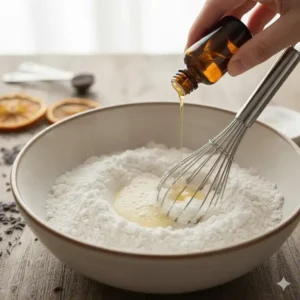
Scent Intensity Comparison
| Scent Type | Intensity | Longevity | Water Throw | Best Usage Rate |
|---|---|---|---|---|
| Citrus (Orange, Lemon) | Light-Medium | 15-20 min | Good | 2-2.5% |
| Florals (Rose, Jasmine) | Medium-Strong | 25-30 min | Excellent | 1.5-2% |
| Herbs (Lavender, Mint) | Medium | 20-25 min | Good | 1.5-2% |
| Woods (Cedar, Sandalwood) | Strong | 30-40 min | Excellent | 1-1.5% |
| Vanillas & Gourmands | Very Strong | 30-35 min | Excellent | 1-1.5% |
| Spices (Cinnamon, Clove) | Very Strong | 35-45 min | Excellent | 0.5-1% |
Storage and Shelf Life Management
Proper storage of both your scent oils and finished bath bombs dramatically affects their quality over time.
Storing Your Scented Oils for Bath Bombs
Optimal Conditions:
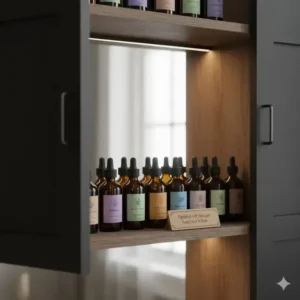
- 🌡️ Cool, dark location (closet or drawer)
- 🧊 Away from heat sources and sunlight
- 🔒 Tightly sealed bottles
- 📅 Label with purchase date
- 🎨 Keep away from conflicting scents
Expected Shelf Life:
- Premium fragrance oils: 3-5 years unopened
- Essential oils: 1-3 years unopened
- Opened bottles: 1-2 years with proper care
- Citrus oils: 6-12 months (oxidize faster)
- Wood and resin oils: 3-5 years (most stable)
Storing Finished Bath Bombs
Once you’ve created your masterpieces with bath bomb fragrance oils, proper storage ensures they maintain their scent and integrity.
Best Practices:
- 📦 Individual shrink wrap or cellophane bags
- 🛡️ Airtight containers for bulk storage
- 🌡️ Room temperature (65-75°F)
- 💧 Humidity below 60%
- 🔒 Sealed until ready to use
Warning Signs of Deterioration:
- ❌ Loss of scent intensity
- ❌ Discoloration or fading
- ❌ Surface sweating or oils seeping
- ❌ Loss of hardness or crumbling
- ❌ Premature activation (fizzing when not in water)
Safety Guidelines for Using Bath Bomb Scent Oils
I take safety seriously, especially when creating products that go into bathtubs where people soak for extended periods.
For Makers
Personal Protection:
- 🧤 Wear gloves when handling concentrated oils
- 😷 Work in well-ventilated areas
- 🔬 Measure accurately with dedicated tools
- 📚 Keep Safety Data Sheets accessible
- 🧼 Wash hands thoroughly after mixing
Quality Control:
- ✅ Test each new fragrance in single bath bomb first
- ✅ Let friends/family test before selling
- ✅ Keep detailed records of formulations
- ✅ Never exceed recommended usage rates
- ✅ Replace oils showing signs of oxidation
For Users
Bath Bomb Usage Safety:
- 🛁 Test water temperature before entry
- 👃 Discontinue if scent causes discomfort
- 🚿 Rinse off after bath if sensitive skin
- ⏱️ Limit bath time to 20-30 minutes
- 🩹 Avoid if you have open cuts or wounds
Special Considerations:
- 🤰 Pregnant women should avoid certain essential oils
- 👶 Use half a bath bomb for children under 12
- 🐕 Never use in pet bathing
- 🤧 Asthma sufferers should start with low-scent versions
- 💊 Check with doctor if on skin medications
Cost Analysis: Value per Bath Bomb
Let’s talk money. Making your own bath bombs with quality scented oils for bath bombs is significantly cheaper than buying commercial products.
Price Breakdown per Bath Bomb
Using Premium Scented Oils for Bath Bombs:
Materials (per 2.5-inch bath bomb):
- Baking soda: $0.15
- Citric acid: $0.25
- Scent oil (1.5%): $0.25-0.40
- Carrier oil: $0.10
- Colorant: $0.05
- Polysorbate 80: $0.03
- Packaging: $0.15
Total Cost: $0.98-1.13 per bath bomb
Compare this to:
- Lush bath bombs: $8-12 each
- Target/drugstore brands: $3-5 each
- Handmade Etsy shops: $5-8 each
Potential Savings:
- Making 50 bath bombs: Save $150-500
- Making 100 bath bombs: Save $300-1000
- Annual savings (2 baths/week): $400-800
Market Comparison: Bath Bomb Oil Types
| Product Category | Pros | Cons | Best For | Price Point |
|---|---|---|---|---|
| Pure Essential Oils | Natural, therapeutic | Expensive, limited scents | Natural product lines | $$$$ |
| Premium Fragrance Oils | Consistent, wide variety | Some synthetic components | Professional crafters | $$$ |
| Budget Fragrance Oils | Affordable, accessible | Variable quality | Beginners, testing | $ |
| Blended Oil Sets | Curated, convenient | Less flexibility | Gifts, variety packs | $$ |
| Bulk Professional Oils | Cost-effective at scale | Large upfront investment | Production batches | $$$ |
Seasonal Scent Planning Guide
Different times of year call for different scent profiles. Here’s how I plan my bath bomb fragrance oils throughout the year:
Spring Collection (March-May)
Top Performers:
- 🌸 Cherry Blossom
- 🌷 Fresh Linen
- 🍓 Strawberry
- 🌿 Fresh Cut Grass
- 🌺 Lilac
Spring is all about renewal and freshness. Light, clean scents that aren’t too heavy perform best. Floral notes dominate, but avoid anything too perfume-y.
Summer Collection (June-August)
Must-Haves:
- 🥥 Coconut
- 🏖️ Ocean Breeze
- 🍉 Watermelon
- 🍹 Tropical blends
- 🍋 Citrus medleys
Summer bath bombs should feel refreshing and fun. Bright, fruity scents work wonderfully, as do aquatic and tropical notes.
Fall Collection (September-November)
Bestsellers:
- 🎃 Pumpkin Spice
- 🍎 Apple Cider
- 🍂 Autumn Leaves
- ☕ Coffee & Cream
- 🥧 Cinnamon
Cozy, warm, and comforting scents reign supreme. Gourmand (food-like) bath bomb scented oils are incredibly popular during this season.
Winter Collection (December-February)
Customer Favorites:
- 🌲 Pine & Fir
- 🍬 Peppermint
- 🧁 Vanilla Sugar
- 🍊 Orange Spice
- ❄️ Winter Wonderland
Rich, indulgent scents work best. Think holiday baking, evergreen forests, and cozy winter evenings. These are perfect times for layered, complex scent blends.
The Future of Bath Bomb Fragrance Technology
The bath bomb industry is constantly evolving, and scent technology is at the forefront of innovation.
Emerging Trends
1. Microencapsulation Technology
Some advanced oils for bath bombs now use microencapsulation to delay scent release. The fragrance is trapped in tiny capsules that break open gradually during your bath, providing consistent aroma for 30+ minutes.
2. Mood-Responsive Scents
New formulations combine aromatherapy principles with modern fragrance science. These bath bomb fragrance oils are designed to respond to your body’s chemistry, creating personalized scent experiences.
3. Sustainable Sourcing
More manufacturers are creating eco-friendly scented oils for bath bombs using upcycled ingredients and sustainable harvesting practices. According to environmental studies, this reduces carbon footprint by up to 40% compared to traditional methods.
4. Longer-Lasting Formulations
Thanks to advances in fixative technology, newer bath bomb scent oils maintain their intensity 3-4 times longer than older formulations.
5. Hybrid Essential-Fragrance Oils
The line between essential oils and fragrance oils is blurring. New hybrid formulations combine the benefits of both, offering therapeutic properties with the consistency and variety of fragrance oils.
Expert Tips from Professional Bath Bomb Makers
I’ve connected with several professional bath bomb crafters who generously shared their insider knowledge about using scented oils for bath bombs:
Tip 1: The 24-Hour Rule
“Never package your bath bombs within 24 hours of making them. The scent continues to develop and settle during the curing process. What smells too strong initially will mellow perfectly by day two.” – Sarah Martinez, SoapySudz Studio
Tip 2: Temperature Testing
“Always test your scent in both hot and cold water. Some fragrance oils smell completely different at different temperatures. What’s divine in 100°F water might be overwhelming in 85°F water.” – Michael Chen, Artisan Bath Crafts
Tip 3: The Layering Technique
“For complex scents, add your base note (like vanilla or sandalwood) to the dry mixture first, mix thoroughly, then add your middle and top notes. This creates better scent distribution.” – Jennifer Lopez, Bath Bomb Boutique
Tip 4: Humidity Management
“If you live in a humid climate, increase your scent oil slightly (to 2-2.5%) because some will evaporate during the extended drying time needed in moisture-rich environments.” – Robert Singh, Coastal Bath Creations
Tip 5: Customer Feedback Loop
“Keep a notebook of customer reactions to different scents. Track which ones get repeat orders, which cause headaches, and which ones people rave about. This data is gold.” – Amanda Thompson, Luxe Bath Co.
🌟 Ready to Elevate Your Bath Bomb Game?
Don’t settle for mediocre scents! Browse our recommended selection of premium scented oils for bath bombs and discover why thousands of crafters trust these brands. Your perfect bath experience starts with the right fragrance – click any product link to check availability and current deals! 🛁✨
Regulations and Compliance
If you’re planning to sell bath bombs made with scented oils for bath bombs, you need to understand the regulatory landscape.
FDA Requirements
The FDA regulates cosmetics, including bath bombs, under the Federal Food, Drug, and Cosmetic Act. Key requirements include:
- 📋 Proper labeling with all ingredients listed
- ⚠️ Warning labels if necessary
- 🏭 Good Manufacturing Practices (GMP)
- 📞 Contact information on packaging
- 🚫 No misleading claims about therapeutic benefits
The FDA provides comprehensive guidance on cosmetic regulations that bath bomb makers must follow.
IFRA Standards
The International Fragrance Association sets safety standards for fragrance use. For bath products:
- Maximum concentration levels for specific compounds
- Prohibited ingredients lists
- Allergen disclosure requirements
- Testing protocols for skin safety
Prop 65 (California)
If selling in California, Proposition 65 requires warnings about chemicals known to cause cancer or reproductive harm. Quality bath bomb scent oils should come with Prop 65 compliance documentation.
Insurance Considerations
Before selling bath bombs:
- 🛡️ Obtain product liability insurance
- 📝 Keep detailed records of all formulations
- 🧪 Consider third-party safety testing
- 💼 Consult with a business attorney
- 📄 Create clear terms of service and disclaimers
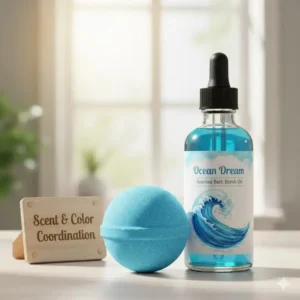
Creating a Signature Scent Line
Once you’ve mastered the basics of using scented oils for bath bombs, developing a signature line sets your products apart.
Building Your Brand Identity Through Scent
Consider Your Target Market:
Luxury Seekers:
- Complex blends with exotic notes
- Premium packaging
- Higher price points ($8-15 per bomb)
- Scents: Oud, saffron, white tea, black orchid
Natural Wellness Enthusiasts:
- Essential oil-forward formulations
- Eco-friendly packaging
- Mid-range pricing ($5-8 per bomb)
- Scents: Lavender, eucalyptus, tea tree, chamomile
Fun & Playful Market:
- Gourmand and novelty scents
- Bright colors and fun shapes
- Budget-friendly ($3-5 per bomb)
- Scents: Cotton candy, birthday cake, bubblegum, fruit loops
Minimalist & Clean:
- Single-note scents
- Simple, elegant packaging
- Premium pricing ($7-10 per bomb)
- Scents: Pure lavender, single citrus, clean cotton, white sage
Scent Marketing Strategy
Naming Your Creations:
Bad: “Lavender Bath Bomb”
Better: “Tranquil Dreams Lavender Soak”
Best: “Midnight in Provence”
The name should evoke an experience or emotion, not just list ingredients. When working with bath bomb fragrance oils, creative naming can increase perceived value by 30-40%.
Ingredient Compatibility Chart
| Scent Oil Type | Compatible Colorants | Compatible Additives | Problematic Combinations |
|---|---|---|---|
| Citrus | Yellow, orange, green dyes | Citric acid boost, salt | Milk powders (may curdle) |
| Florals | Pink, purple, blue dyes | Rose petals, clays | Strong spices (compete) |
| Woods | Brown, amber mica | Activated charcoal | Bright colors (muddy result) |
| Vanilla/Gourmands | Cream, beige, brown | Cocoa powder, oats | Water-soluble dyes (discolor) |
| Mint/Eucalyptus | White, blue, green | Menthol crystals | Hot water colors (fade) |
| Spice | Red, orange, gold | Cinnamon bits, clove | Light scents (overwhelm) |
Customer Education: Adding Value
When you sell bath bombs made with scented oils for bath bombs, educating customers increases satisfaction and repeat business.
Information to Include with Products
Bath Bomb Care Card:
- 🌡️ Optimal water temperature (95-100°F)
- ⏱️ Suggested bath time (20-30 minutes)
- 💧 Recommended water amount (standard full tub)
- 🧴 Optional additions (Epsom salt, bubble bath)
- 🚿 Post-bath rinse recommendation
Scent Profile Description:
Instead of: “Contains lavender fragrance”
Write: “Our Lavender Dreams bath bomb features a sophisticated blend of French lavender essential oil and complementary floral notes. You’ll experience calming aromatherapy that helps quiet your mind and prepare for restful sleep. Top notes of fresh lavender, middle notes of chamomile, and base notes of vanilla create a complex, long-lasting scent experience.”
Creating Scent Intensity Guides
Help customers choose products by rating scent strength:
🌸 Subtle (1-2/5):
Delicate, barely-there fragrance
Best for: Sensitive individuals, morning baths
🌸🌸 Moderate (3/5):
Noticeable but not overpowering
Best for: Everyday use, general relaxation
🌸🌸🌸 Strong (4-5/5):
Bold, long-lasting aroma
Best for: Scent enthusiasts, aromatherapy focus
Quality Control Checklist
Before selling or gifting bath bombs made with scented oils for bath bombs:
Physical Quality Tests
✅ Hardness Test: Bath bomb should be firm, not crumbly
✅ Drop Test: Should survive 2-foot drop onto hard surface
✅ Fizz Test: Should fizz for 1-3 minutes in water
✅ Dispersion Test: Should distribute evenly, no oil slicks
✅ Water Color: Should match expectations, no muddiness
Scent Quality Tests
✅ Initial Scent: Strong out of package
✅ Water Scent: Noticeable throughout bath
✅ Post-Bath Scent: Light residual on skin
✅ Consistency: Same intensity across batch
✅ Longevity: Maintains scent for 3+ months
Safety Tests
✅ Skin Patch Test: No redness or irritation
✅ Stain Test: No tub staining after 30 minutes
✅ Allergy Check: Proper labeling of known allergens
✅ Packaging Integrity: No leaks or damage
✅ Ingredient Accuracy: Label matches actual contents
Environmental Considerations
As bath bomb makers, we have a responsibility to consider the environmental impact of our products and the scented oils for bath bombs we use.
Eco-Friendly Practices
Sustainable Sourcing:
- 🌱 Choose companies using renewable resources
- ♻️ Opt for recyclable or biodegradable packaging
- 🌍 Support brands with carbon-neutral shipping
- 🌿 Select oils without palm oil derivatives
- 💧 Avoid ingredients harmful to aquatic life
Water Impact:
Not all bath bomb fragrance oils are created equal when it comes to environmental friendliness. Look for:
- Readily biodegradable formulations
- No microplastics or plastic derivatives
- Phosphate-free ingredients
- Marine-safe components
- EPA-registered safe choices
Packaging Solutions:
- 📦 Compostable cellophane bags
- 🗃️ Recycled paper boxes
- 🌾 Biodegradable packing peanuts
- 🧷 Reusable tins or jars
- 🏷️ Soy-based inks for printing
🎁 Create Magic in Your Tub Today!
You’ve learned everything you need to know about choosing and using the best scented oils for bath bombs. Now it’s time to put that knowledge into action! Click on any of our recommended products above to start your bath bomb crafting journey with confidence. Whether you’re a beginner or a seasoned pro, these premium oils will transform your creations from ordinary to extraordinary. Your perfect spa experience awaits! 💫🌸
Conclusion
After thousands of bath bombs and countless hours of experimentation, I can confidently say that choosing the right scented oils for bath bombs is the single most important decision you’ll make in your bath bomb journey. Whether you’re creating products for yourself, gifts for loved ones, or building a business, quality oils make all the difference.
Key Takeaways:
🎯 Start with trusted brands: P&J Trading, DecorRom, Homkare, and Perfume Studio offer reliable, skin-safe options
💡 Understand your oils: Know the difference between essential oils, fragrance oils, and synthetic fragrances
📊 Use proper ratios: 1-2% fragrance load for most bath bombs, adjusted for scent strength
🧪 Test thoroughly: Always test new oils in single bath bombs before committing to full batches
📦 Store properly: Protect both unused oils and finished products from heat, light, and moisture
🌿 Prioritize safety: Use IFRA-certified, phthalate-free, skin-safe formulations always
💰 Calculate costs: Making your own can save hundreds of dollars annually
🎨 Get creative: Don’t be afraid to blend scents and develop your signature offerings
The world of bath bomb scented oils is vast and exciting. Each new scent you try is an opportunity to create something special – whether it’s the perfect relaxing evening soak or an energizing morning bath. Remember, the best fragrance is the one that makes you (or your customer) smile when they drop that bath bomb into the water.
I encourage you to start with variety packs like the P&J Trading sets or the DecorRom collection. This lets you test multiple scents without huge investment, and you’ll quickly discover which fragrances resonate with your preferences or your market.
Most importantly, have fun with this! Bath bomb making should be enjoyable, creative, and satisfying. With the right scented oils for bath bombs, you’re well on your way to creating products that rival anything you’d find in high-end boutiques.
Happy crafting, and may all your bath bombs fizz perfectly! 🛁✨
FAQs
❓ What is the difference between fragrance oils and essential oils for bath bombs?
❓ How much scented oil should I add per bath bomb?
❓ Are phthalate free scented oils necessary for bath bombs?
❓ Can I mix different scented oils together in bath bombs?
❓ How long do scented oils last in finished bath bombs?
Recommended for You
- Black Bath Bombs: 7 Top Detox Picks for 2025 for Glowing, Healthy Skin
- Bath Bombs in Bulk Individually Wrapped: Ultimate 2025 Guide
- 7 Best Inexpensive Bath Bombs That Actually Work
Disclaimer: This article contains affiliate links. If you purchase products through these links, we may earn a small commission at no additional cost to you.
✨ Found this helpful? Share it with your friends! 💬🤗
[addtoany]
